Infrastructure Solutions Support Water and Drainage Networks in New Districts
New districts are built on infrastructure. Before homes, schools and shops can function, water must reach every plot, wastewater must be carried away safely and roads must connect the neighborhood to the wider city. The way these networks are planned and designed determines not only how well the district works on opening day, but how easily it can grow in the years that follow.
Planning Integrated Networks
Water, drainage and road networks share the same corridors and depend on the same levels, so they are best planned together.
- Water networks sized for expected demand, with layouts that maintain pressure and allow sections to be isolated for maintenance.
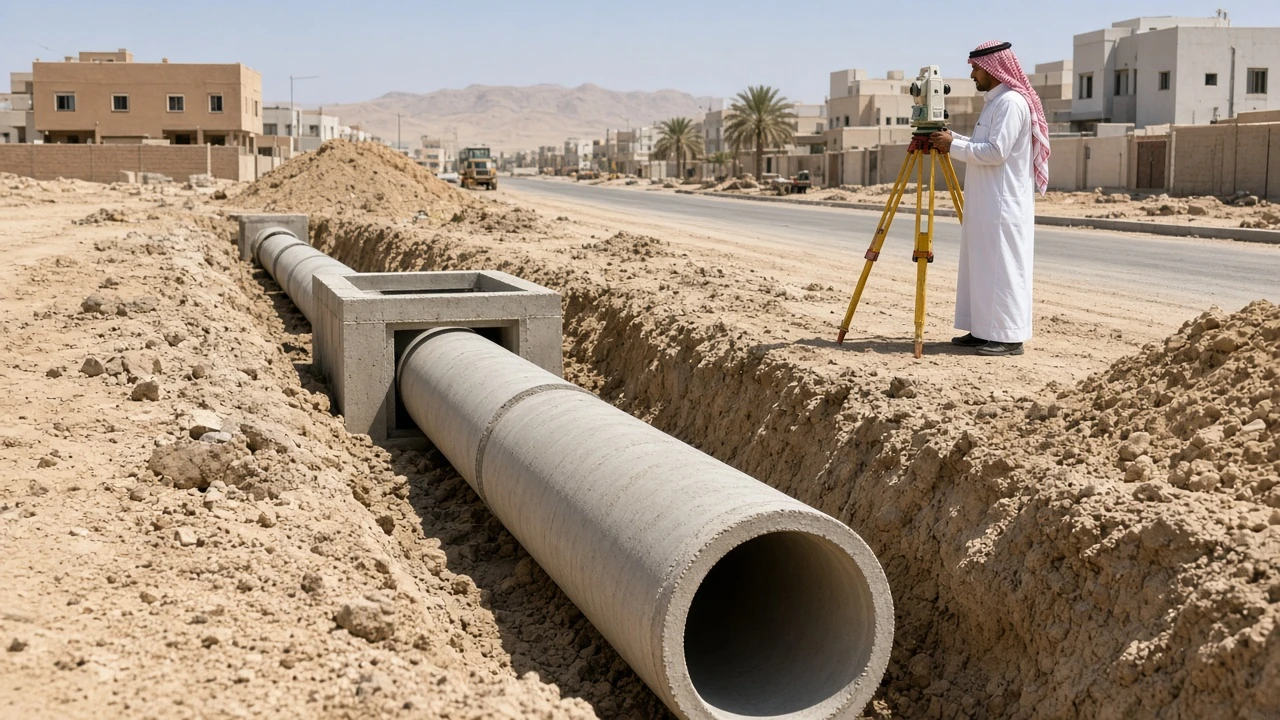
- Sewer networks designed with suitable gradients and manhole spacing, connected to approved treatment or collection systems.
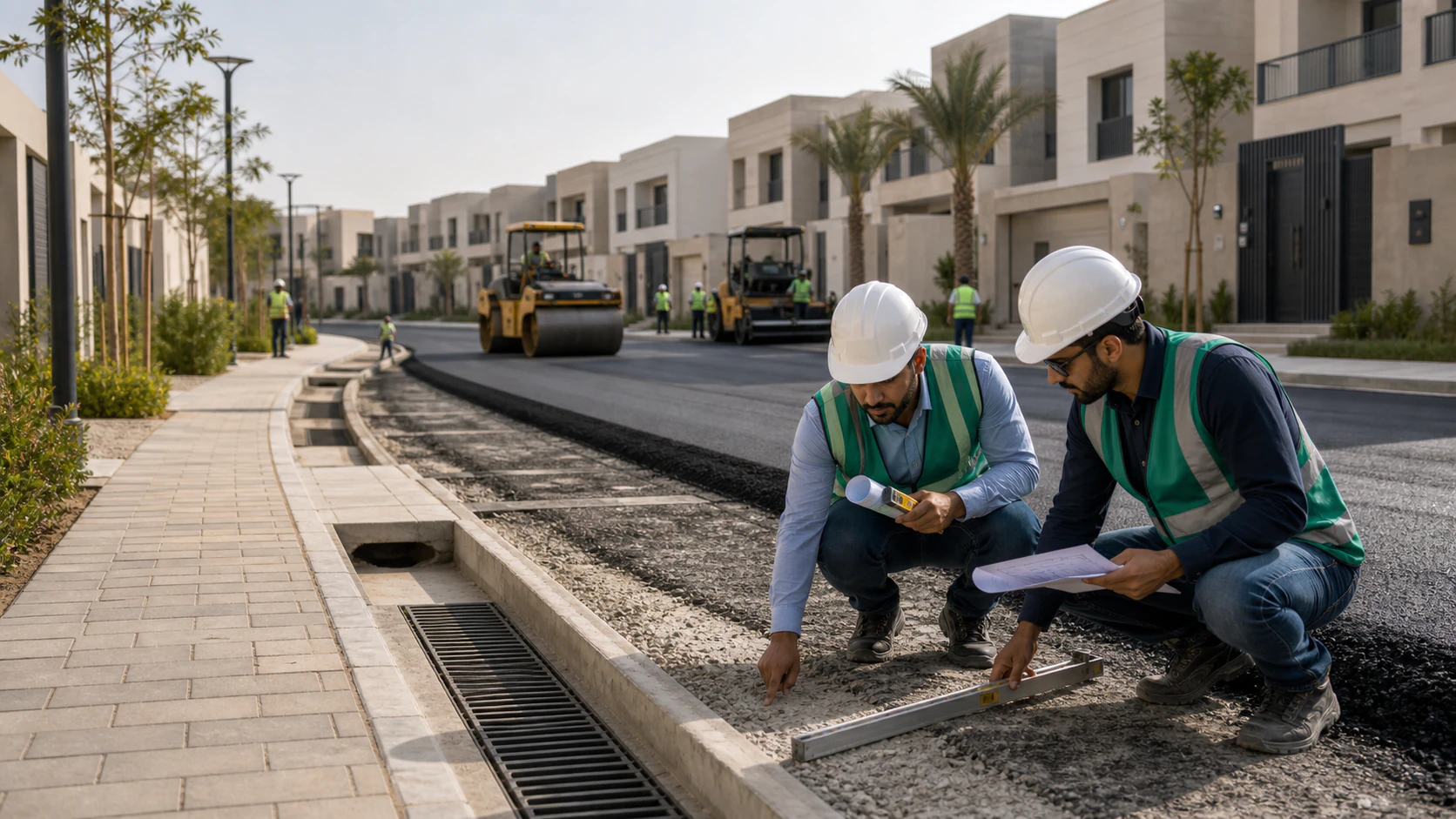
- Internal roads laid out to support safe traffic flow, pedestrian movement and access for service vehicles.
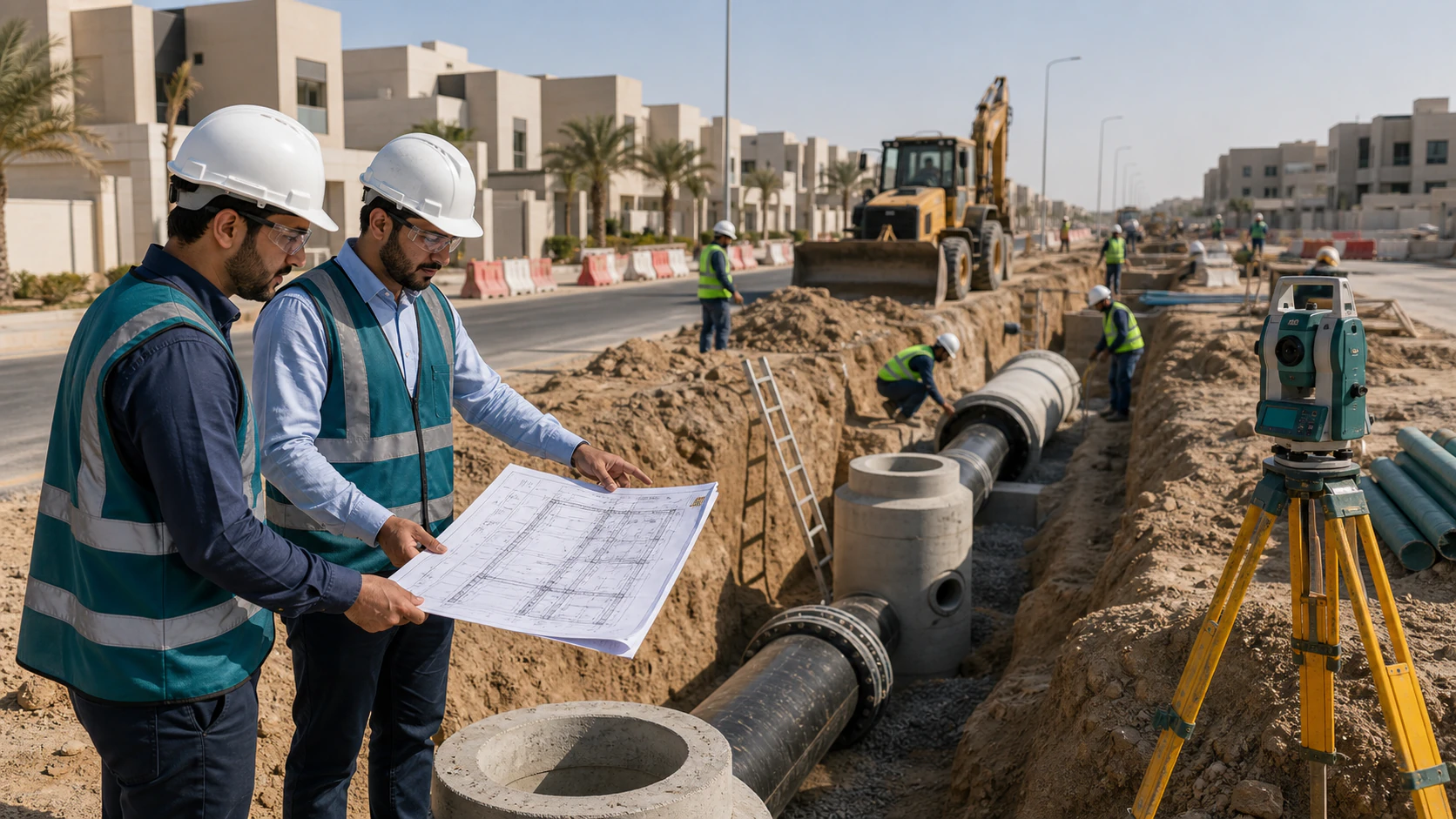
- Coordinated corridors that keep each utility at a defined position and depth, reducing conflicts during construction and future works.
Designing for Sustainability
Sustainable infrastructure is designed to last and to use resources wisely. Durable pipe materials, careful jointing and proper bedding reduce leaks and failures. Well-designed water networks limit losses, while sewer systems with self-cleansing velocities reduce blockages and maintenance needs. Road design that considers drainage protects pavements from water damage and extends their service life.
Maintenance access is part of sustainability. Valves, manholes and inspection points should be located where crews can reach them safely, with clear records of the as-built network.
Allowing for Future Expansion
New districts rarely stay the same size. Additional phases, higher densities or new public facilities can increase demand on networks. Designing with flexibility, such as reserving corridor space, providing capacity in trunk lines where justified and planning connection points for future phases, helps avoid costly reconstruction later.
Phasing the construction of infrastructure to match development can also improve efficiency, provided the overall network design is established from the outset.
Early coordination with the network operators also matters, so that the design reflects their connection requirements and standards, and stormwater drainage should be integrated with road design so streets do not become channels for runoff during storms.
VARIO (Al-Mukhtalef) provides infrastructure design and execution services for water, drainage and internal road networks, supporting new districts with integrated, sustainable systems that can expand smoothly as communities grow.