Assessing Rooftop Solar Panel Feasibility for Commercial Buildings
Starting with the Roof Itself
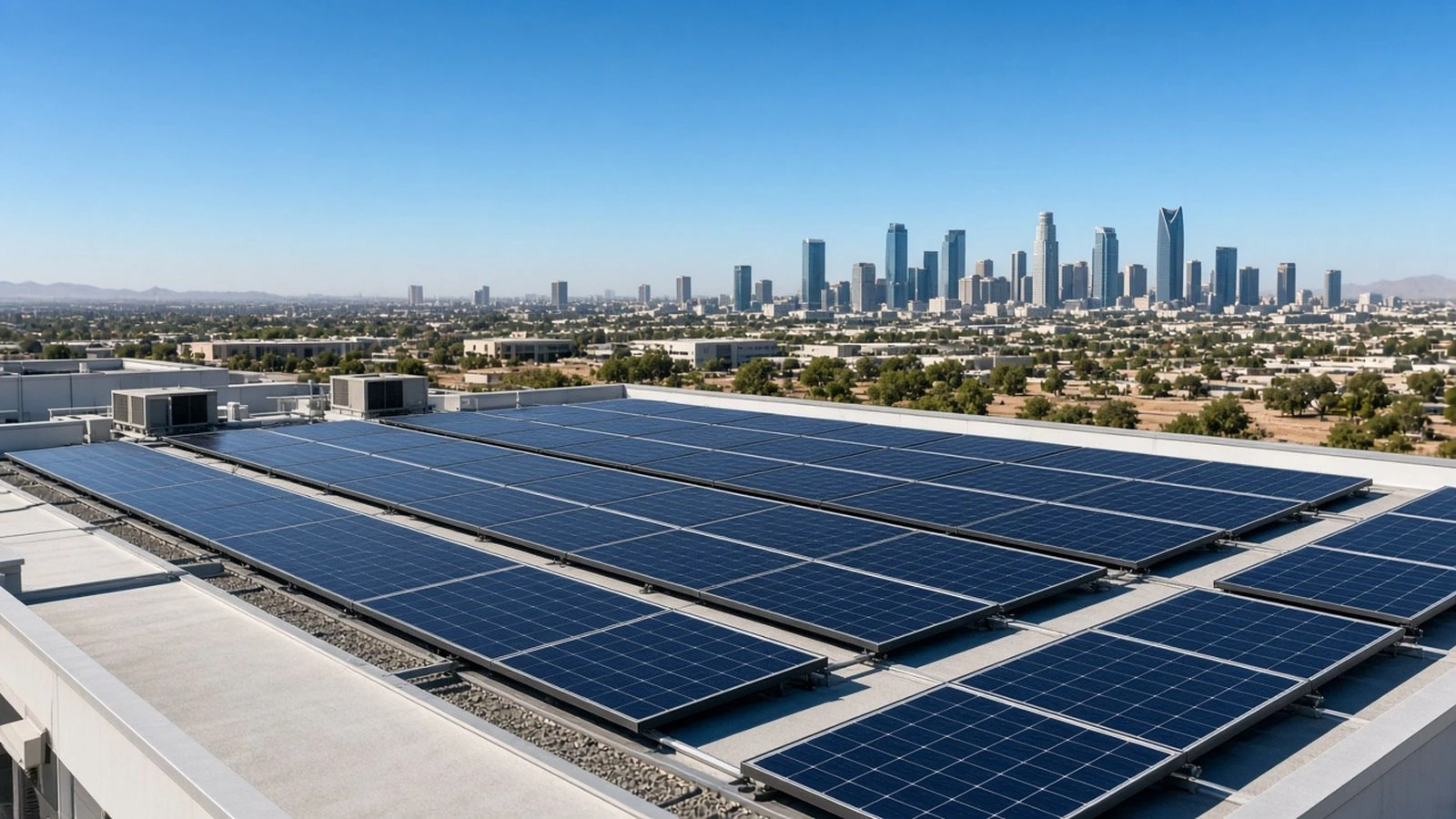
Many commercial buildings have large, flat roofs that sit unused, and in a sunny climate they can become a productive source of electricity. Before committing to a rooftop solar system, however, owners need a feasibility study that answers practical questions about the roof, the structure, and the expected return. The first step is measuring the area that is truly available. Mechanical equipment, access paths, maintenance zones, skylights, and fire safety setbacks all reduce the usable space, and panels must be arranged so that technicians can still reach plant and roof drains.
Shading, Structure and Electrical Integration
Even partial shading can noticeably reduce the output of a solar array, so the study maps shadows cast by parapets, stair cores, water tanks, neighboring buildings, and rooftop units across the day and the seasons. Panel orientation, tilt, and row spacing are then chosen to balance output against the risk of rows shading each other. The structural review is equally important.
- Checking that the roof slab or steel structure can carry the added dead load of panels and mounting frames.
- Assessing wind uplift, which can govern the design of fixings or ballast.
- Confirming that roof waterproofing will not be damaged by mounting systems and penetrations.
- Reviewing the building's electrical system to find suitable connection points and inverter locations.
Dust is also a real factor in desert cities, so a practical cleaning plan and safe access should be part of the design.
Estimating Output and Payback
With the layout defined, the study estimates the system's annual energy production using solar resource data for the site and allowances for losses from heat, dust, wiring, and inverters. This figure is compared with the building's actual consumption profile, which shows how much of the generated electricity can be used directly during business hours. The capital cost, expected maintenance, and the value of the electricity saved are then combined to estimate the payback period and long-term savings. The same production estimate supports an assessment of avoided carbon emissions, which is increasingly relevant to sustainability goals and green building ratings. A transparent feasibility study gives owners a clear basis for deciding whether, and at what scale, rooftop solar makes sense for their building.