Cutting Water Use with Low-Flow Sanitary Fixtures
Water is one of the most valuable resources in Saudi Arabia, and buildings account for a significant share of daily consumption. Much of that use passes through sanitary fixtures: taps, showers, toilets and urinals. Choosing low-flow fixtures is one of the simplest and most effective ways to reduce water use in residential and commercial buildings, but the selection must be made with the whole plumbing system in mind.
How Low-Flow Fixtures Reduce Consumption
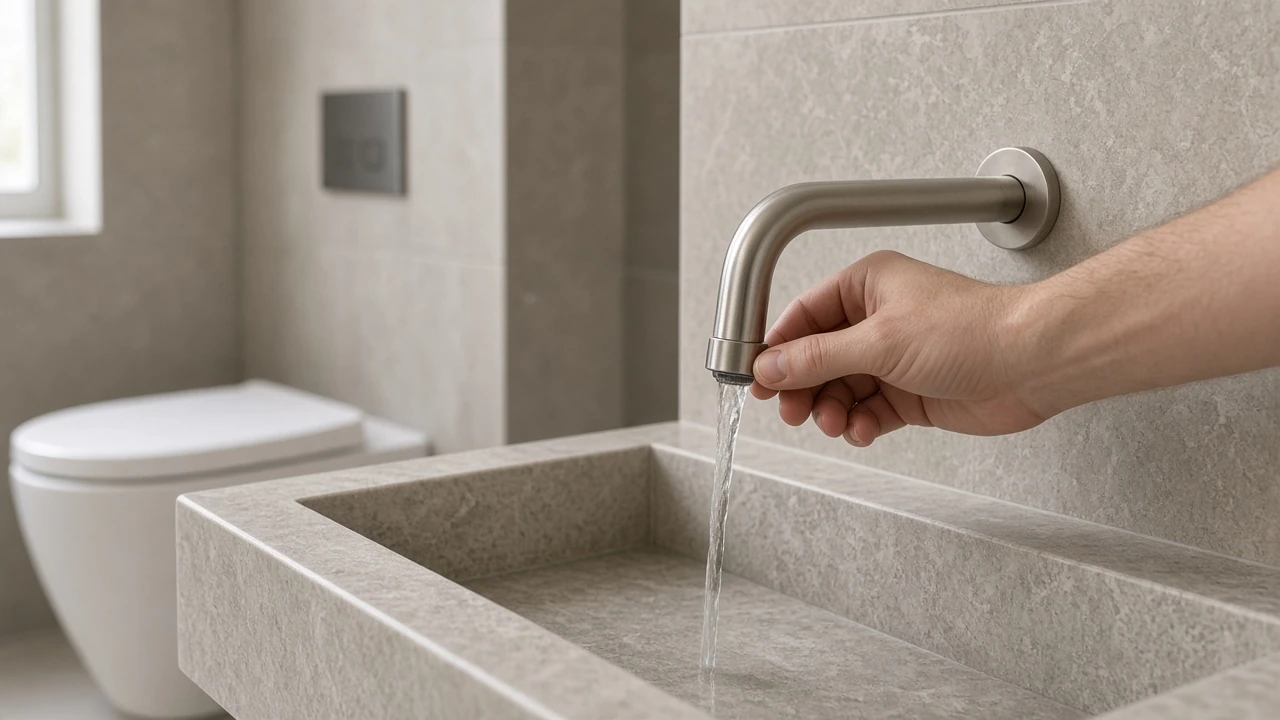
Low-flow fixtures are designed to deliver the same function using less water. Aerated taps mix air into the stream, efficient showerheads control flow while maintaining comfort, and dual-flush or low-volume toilets reduce the water used per flush. Sensor-operated taps and urinals can further limit waste in public and commercial washrooms.
- Taps and mixers with flow restrictors or aerators.
- Water-efficient showerheads that maintain a comfortable spray.
- Dual-flush or reduced-volume toilet cisterns.
- Sensor or push-type controls in high-traffic washrooms.
Matching Fixtures to Network Pressure and Use
A fixture that performs well in a showroom may disappoint in a building with low or unstable pressure. Plumbing design must check that the available pressure at each outlet suits the selected fixtures, and that pipe sizing and any booster systems support consistent performance across all floors. Drainage performance is also considered, since reduced flush volumes require well-designed drainage pipes to carry waste effectively.
The type of building matters as well. Residential users, office staff and visitors to commercial spaces have different patterns of use, and the selection should reflect who will use each washroom and how often.
Maintenance and Compliance
Water-efficient fixtures should also be easy to maintain. Aerators and restrictors need periodic cleaning, sensor units need reliable power and accessible components, and spare parts should be available locally. Products should comply with the approved water-efficiency requirements applicable to the project and be documented in the specifications so that substitutions during construction do not undermine performance.
Monitoring consumption after occupancy, encouraging users to report leaks promptly and replacing worn components on schedule all help sustain the savings over the life of the building.
VARIO (Al-Mukhtalef) integrates water efficiency into its MEP and sustainability design work, selecting sanitary fixtures that reduce consumption while remaining compatible with network pressure, maintainable in operation and compliant with approved requirements.