Aligning Projects with Sustainability Requirements Through Energy Efficiency
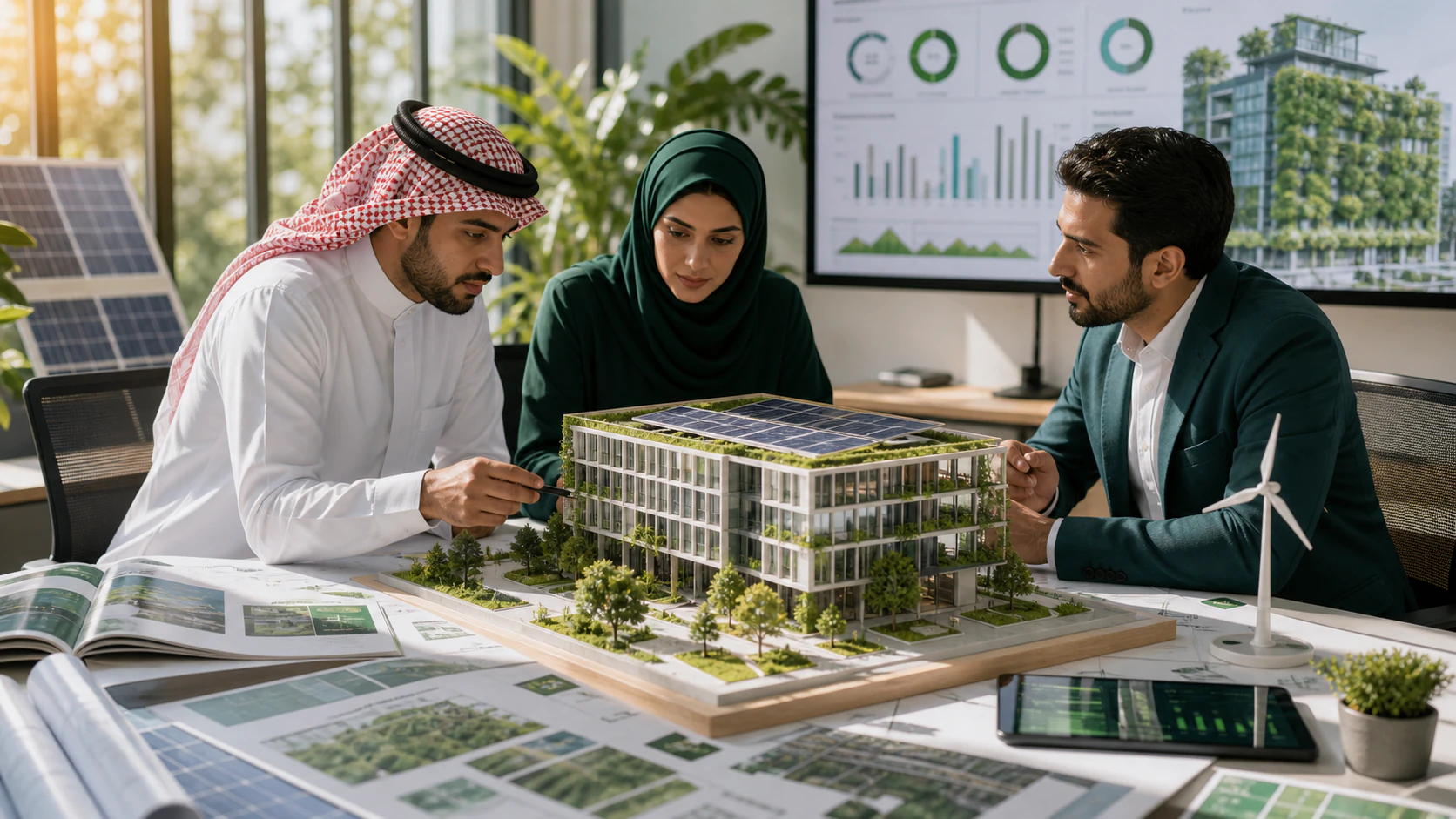
Sustainability has moved from an optional extra to a core expectation in building projects. Owners, tenants and authorities increasingly look for buildings that use less energy, make responsible use of materials and reduce their impact on the environment. For design teams, aligning projects with these expectations starts with energy efficiency and extends to every major design decision.
Energy Efficiency as the Starting Point
In hot climates, the largest share of a building's environmental impact during operation comes from energy use, especially for cooling. Reducing that demand is therefore the most effective sustainability measure.
- Building orientation and form that limit exposure to intense sun.
- Well-insulated roofs and walls and high-performance glazing.
- External shading devices that reduce solar heat gain while admitting daylight.
- Efficient HVAC and lighting systems with controls that respond to actual use.
- Metering and monitoring that allow energy performance to be tracked after occupancy.
Selecting Building Materials Responsibly
Materials influence sustainability throughout their life cycle, from manufacture and transport to installation, use and eventual disposal. Choosing durable materials reduces the need for replacement; locally available products can reduce transport impacts; and materials with lower emissions improve indoor environmental quality. Thermal properties also matter, since insulation and glazing choices directly affect energy demand.
Specifications should state performance requirements clearly so that sustainability goals are maintained when alternatives are proposed during construction.
Reducing Environmental Impact
Beyond energy and materials, sustainable projects consider water efficiency, waste management during construction and operation, and the effect of the building on its surroundings. Low-flow fixtures and efficient irrigation reduce water use. Site waste management plans encourage sorting and recycling. Landscape design that provides shade can improve the local microclimate.
Sustainability is most effective and least costly when considered from the earliest design stages. Decisions about orientation, form and systems made at concept stage have far greater impact than changes made later.
For owners, the benefits include lower operating costs, more comfortable buildings and stronger alignment with green building requirements and market expectations.
VARIO (Al-Mukhtalef) integrates sustainability into its design and consulting services, aligning projects with sustainability requirements through energy efficiency, responsible material selection and reduced environmental impact.