Waterproofing Details Improved for Roofs and Wet Areas
Water leaks are among the most frustrating and costly defects in buildings. They damage finishes, encourage mold, corrode reinforcement and disrupt occupants, and they are often difficult to trace and repair once the building is in use. Roofs and wet areas such as bathrooms and kitchens are where most leaks begin. Improving waterproofing details for these areas, and controlling their execution, is a highly effective way to prevent problems.
Roofs: Continuity and Drainage
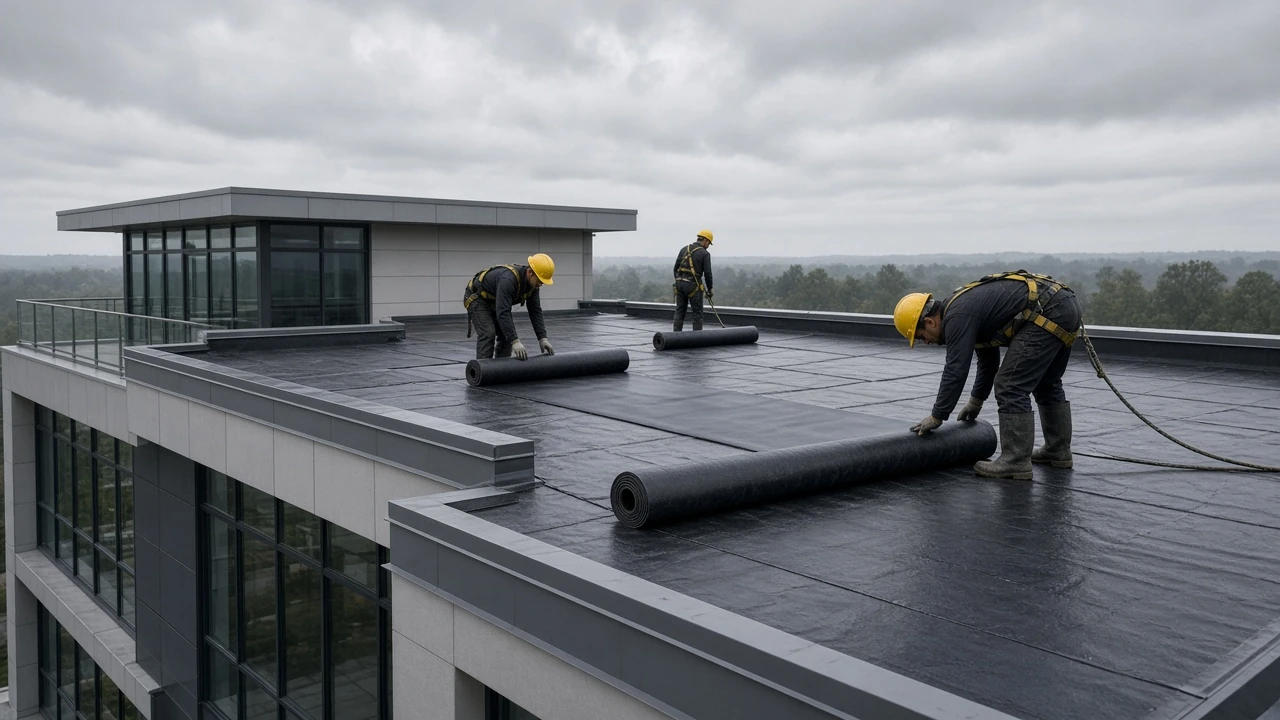
On roofs, waterproofing must be continuous across the entire surface and carefully detailed wherever it is interrupted.
- Adequate falls toward drains so that water does not pond.
- Upstands at parapets and walls taken to a sufficient height and properly terminated.
- Detailing around drains, pipes, equipment bases and other penetrations.
- Protection layers that shield the membrane from sun and mechanical damage.
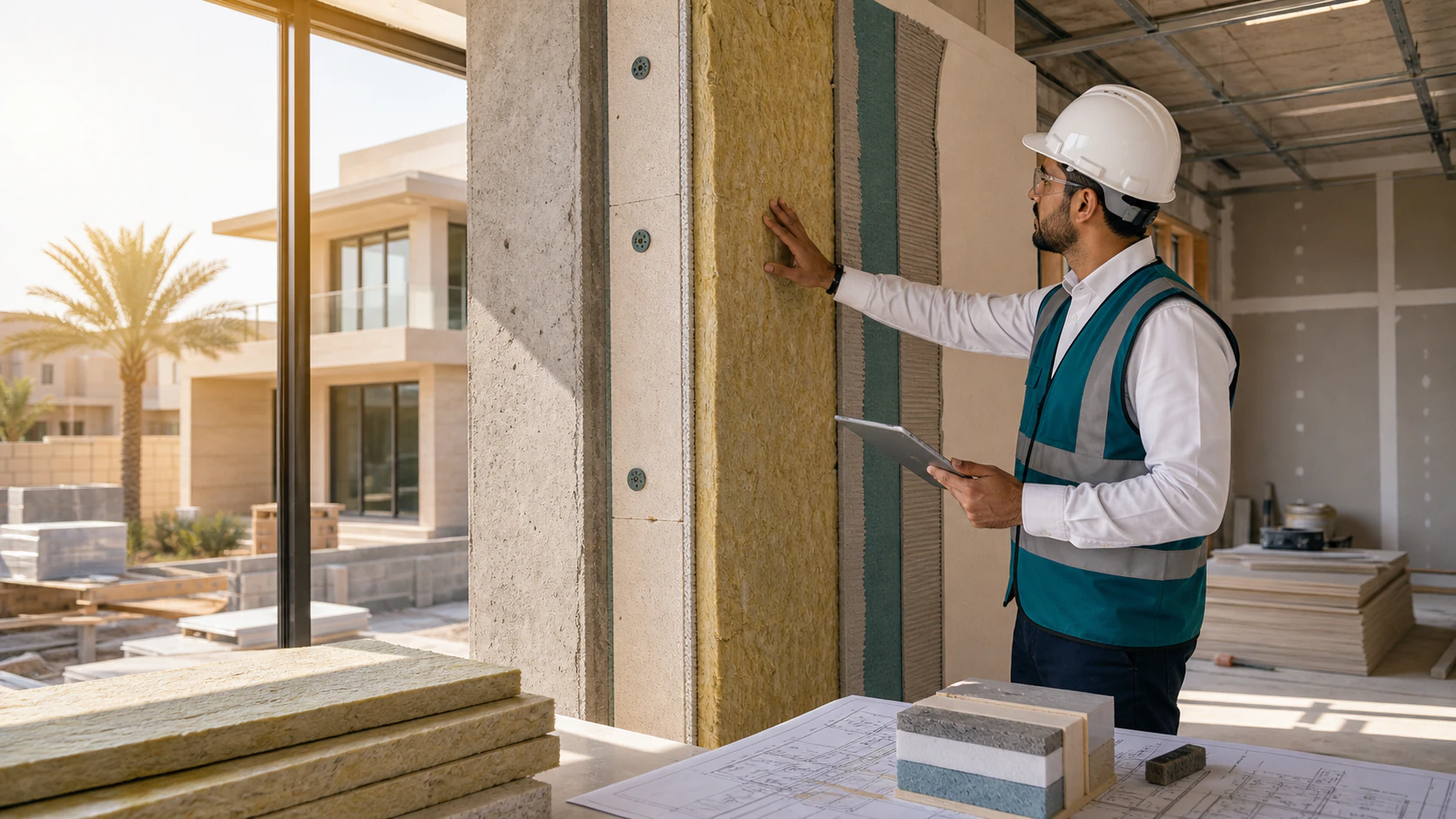
- Compatibility between waterproofing and thermal insulation layers.
Wet Areas: Floors, Walls and Penetrations
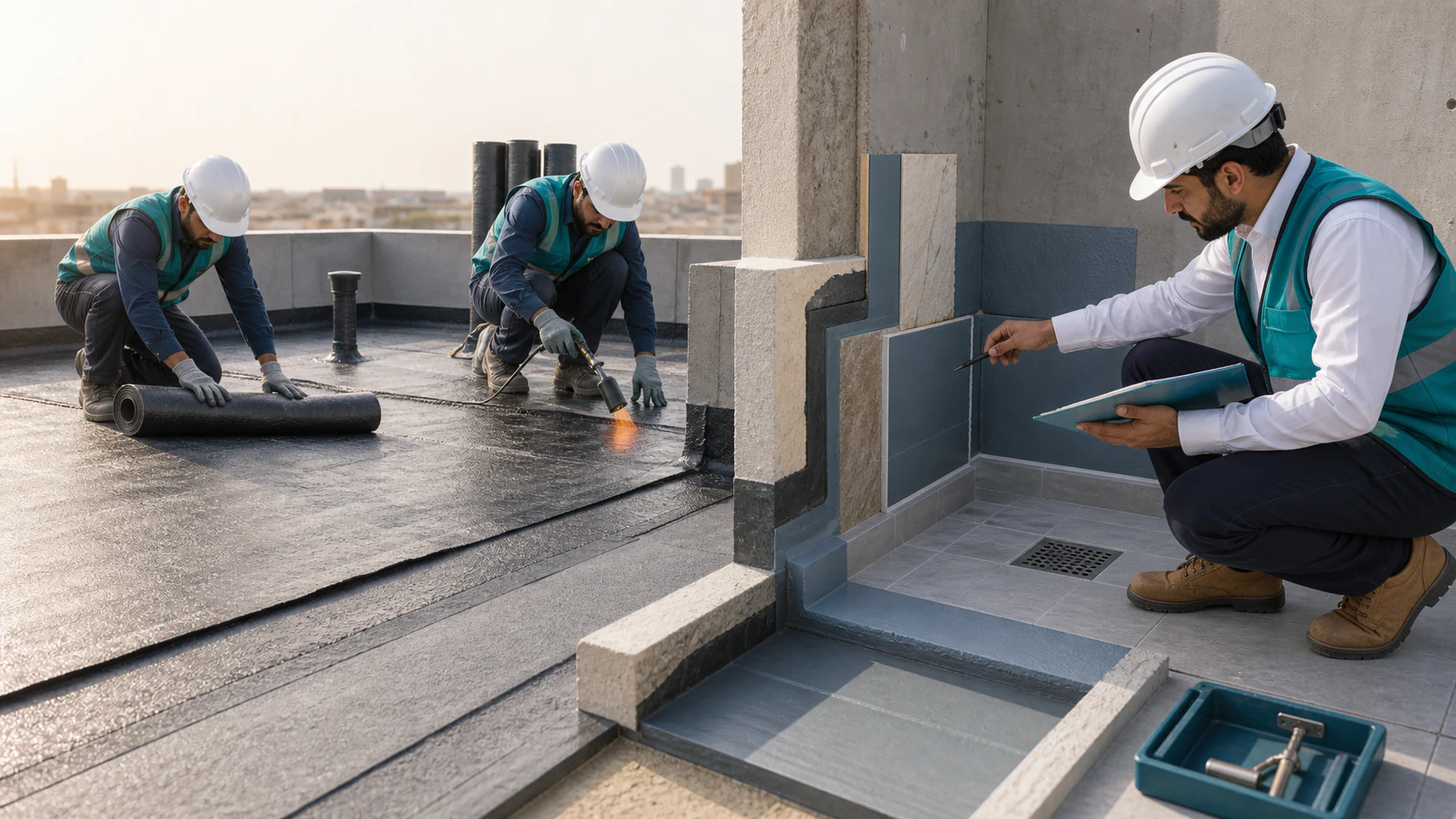
In bathrooms and other wet areas, waterproofing protects the slab and adjacent rooms from water that passes through tile joints or around fixtures. Membranes should cover the floor and turn up the walls, with greater heights in shower zones. Floor drains require careful integration with the membrane, and pipe penetrations need sealing collars or equivalent details. Falls in screeds should direct water to drains, avoiding areas where water collects.
Controlling Execution at Critical Stages
Even the best details fail if they are not executed correctly. Waterproofing involves several critical stages: surface preparation, application of primers and membranes, treatment of corners and penetrations, and protection before the next layer. Each stage should be inspected before it is covered.
Flood testing of roofs and wet areas before finishes are installed is a practical way to confirm watertightness. Testing allows defects to be repaired while access is still easy, rather than after tiles, ceilings and fittings are in place.
Clear specifications, approved materials compatible with each other, trained applicators and documented inspections together form a reliable waterproofing system. The investment in these measures is small compared with the cost of repairing leaks after occupancy.
VARIO (Al-Mukhtalef) reviews waterproofing details for roofs and wet areas and supports quality control during execution, helping protect buildings from leaks and improving workmanship at the stages where it matters most.