New Thermal Insulation Specifications for Modern Villa Projects
In a hot climate, the envelope of a villa is constantly working against the sun. Roofs absorb intense solar radiation, walls heat up through the day and windows admit heat along with light. Without effective insulation, air conditioning must work harder and longer, raising energy bills and often leaving rooms uncomfortable. Updated thermal insulation specifications address this by defining clearer requirements for materials and installation.
Where Insulation Matters Most
Heat enters a villa through several paths, and specifications should address each of them.
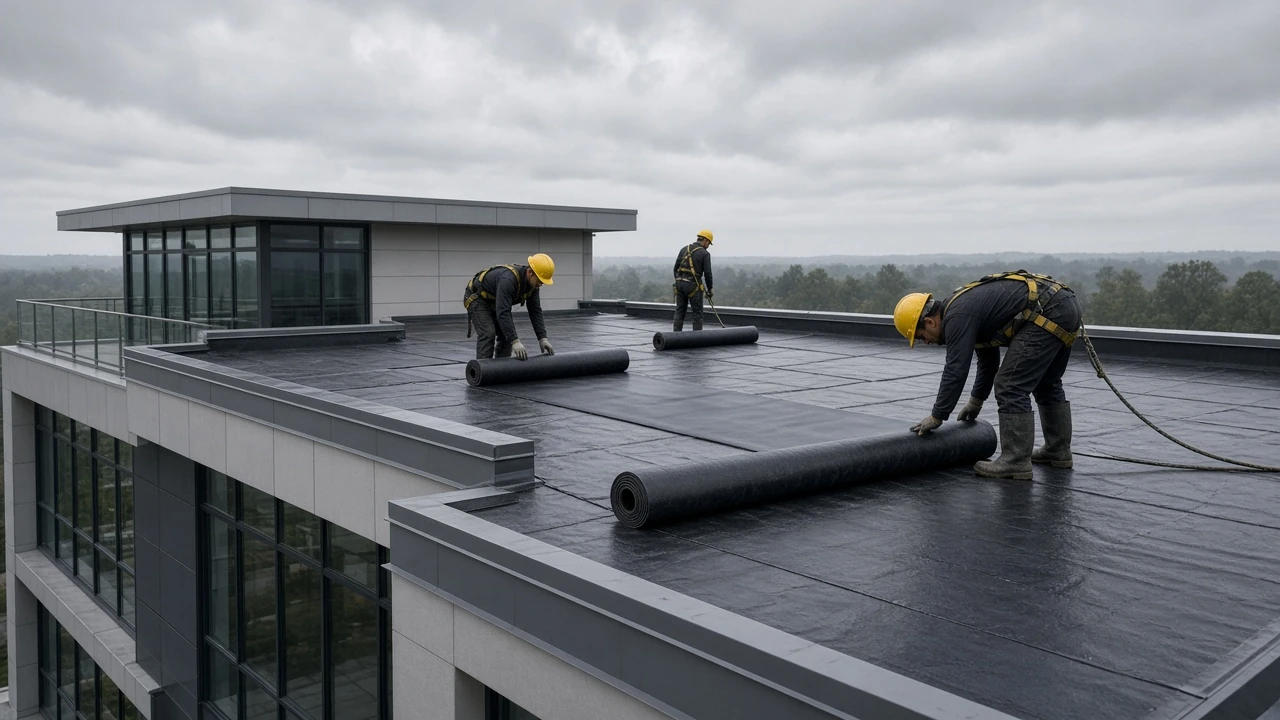
- Roofs: typically the largest source of heat gain in low-rise buildings, requiring continuous insulation protected by suitable layers.
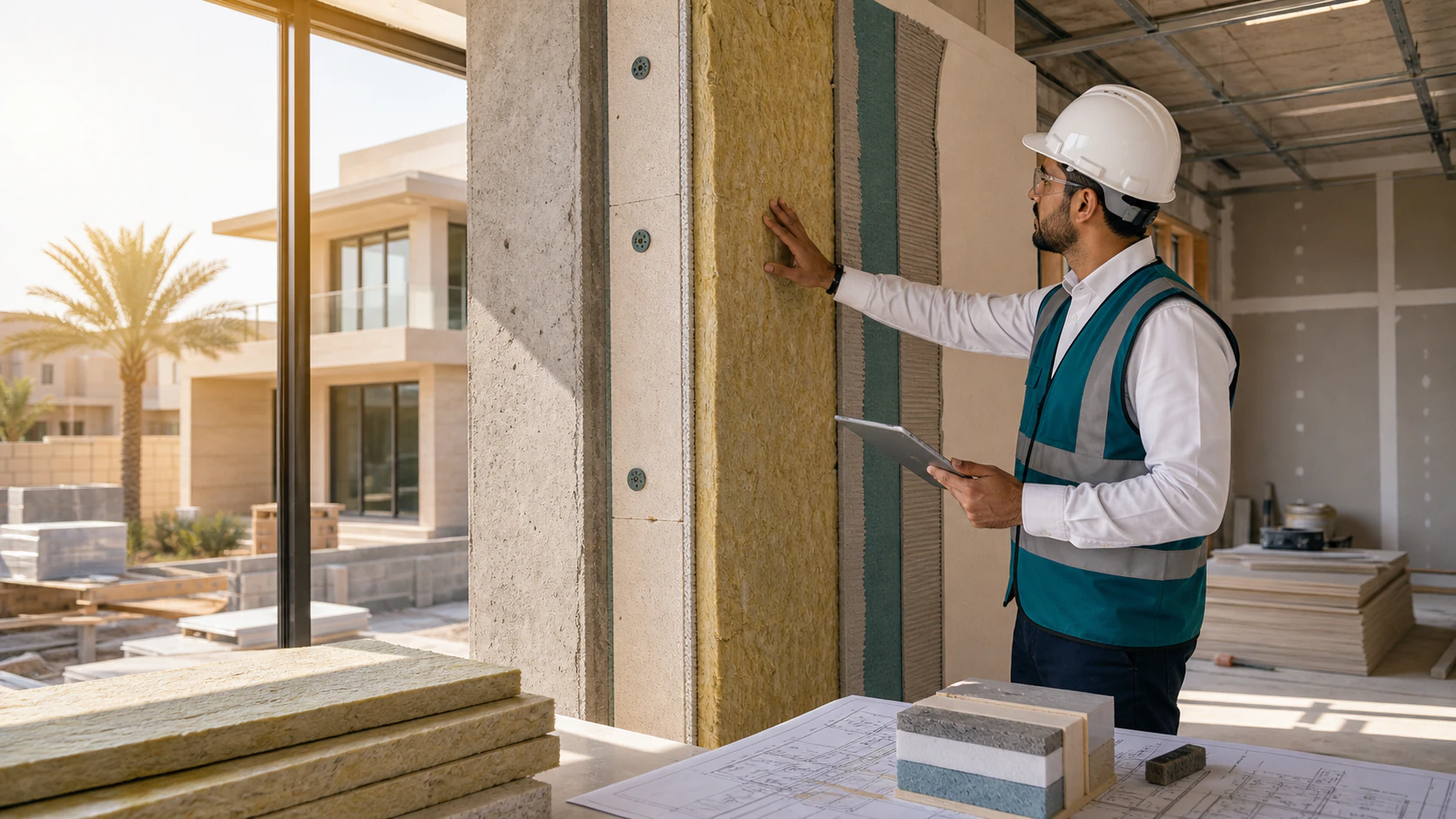
- External walls: insulated wall systems or insulation layers that limit heat transfer through masonry and concrete.
- Windows and glazed doors: glazing and frames chosen to reduce solar heat gain while admitting daylight.
- Thermal bridges: columns, beams and slab edges where heat can bypass insulation if not treated.
Choosing Materials and Systems
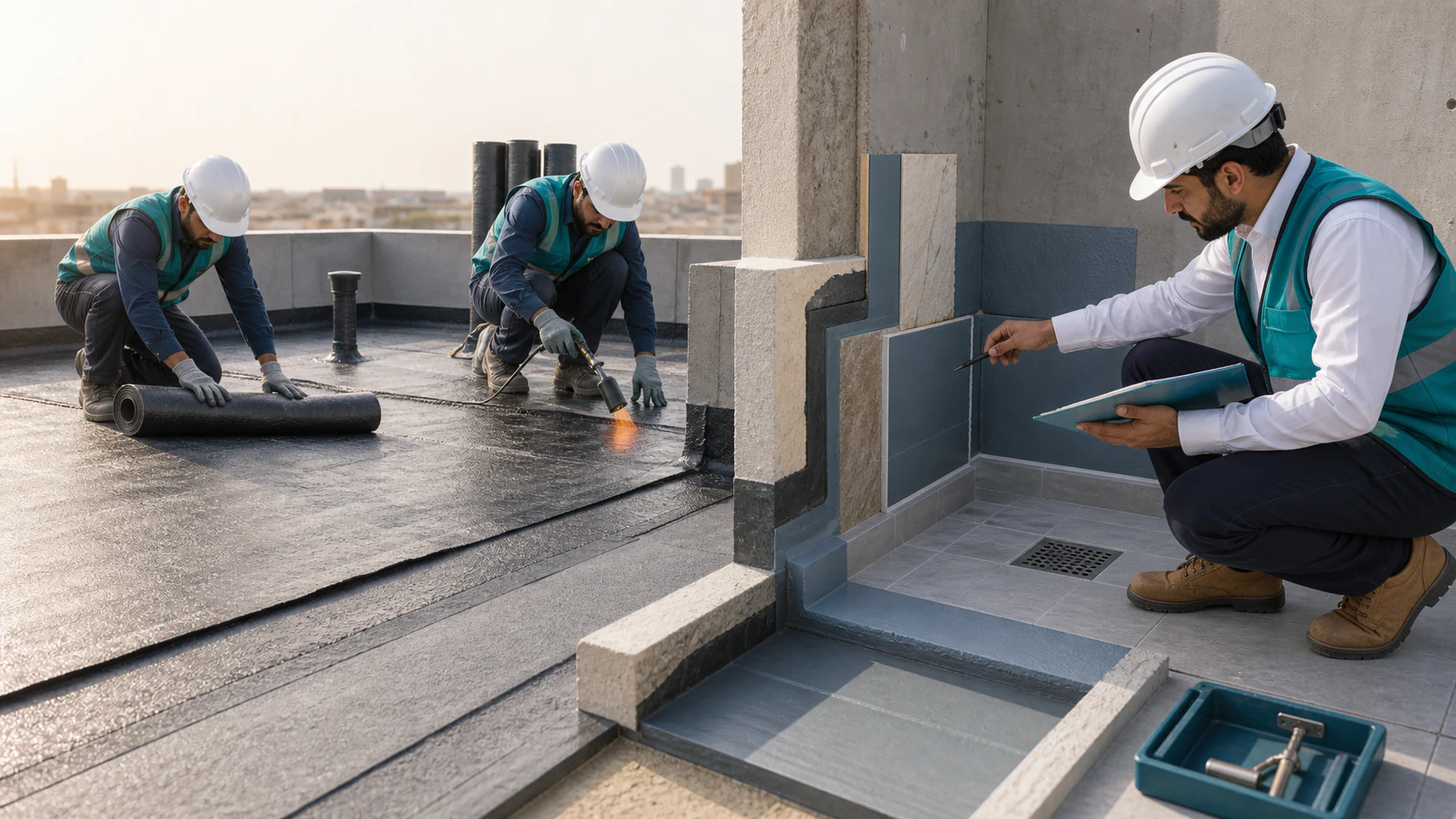
Specifications should define the required thermal performance and the conditions in which materials will be used. Insulation boards, blocks with insulating properties and other systems each have advantages depending on the construction method. Compatibility with waterproofing on roofs, protection against moisture and mechanical damage, and fire performance are all important considerations. Requirements should be aligned with the applicable building energy codes.
Installation Quality and Comfort
Even good materials perform poorly if installed with gaps, compressed layers or missing sections. Specifications should therefore include installation requirements and inspection points, such as checking continuity of roof insulation before covering it and verifying treatment of junctions around openings and structural elements.
The benefits extend beyond energy savings. Well-insulated villas maintain more stable indoor temperatures, reduce hot spots near walls and roofs and can allow smaller air conditioning systems. Over the life of the building, these improvements contribute to lower operating costs and greater comfort for residents.
Insulation works best when considered together with the architecture from the start. Orientation, window sizes, shading and light-colored roof and wall finishes all influence how much heat the insulation must handle, and inspection photos taken before layers are closed provide a useful record of installation quality.
VARIO (Al-Mukhtalef) incorporates updated thermal insulation specifications into its villa design and building materials work, helping clients reduce energy consumption and create more comfortable homes.