Selecting Sulfate-Resistant Cement for Foundations in Aggressive Soils
How Sulfates Attack Foundations
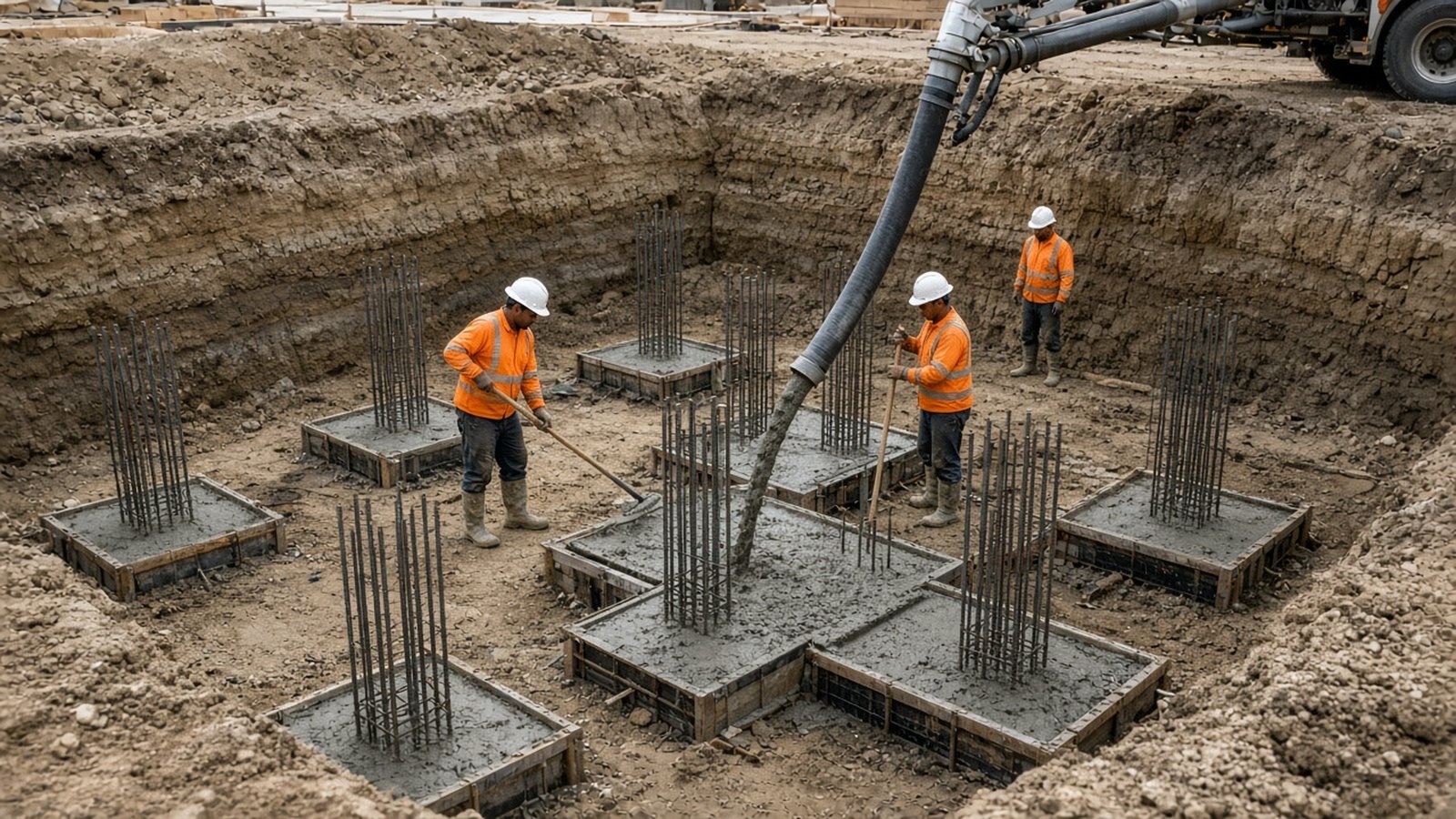
Soils and groundwater in many locations, especially in coastal areas and sabkha ground, can contain dissolved sulfates and chlorides. When these salts penetrate concrete, sulfates react with compounds formed during cement hydration and produce expansive products. Over time this expansion causes cracking, softening, and loss of strength, while chlorides that reach the reinforcement promote corrosion. Foundations are particularly vulnerable because they sit in direct, permanent contact with the aggressive soil and are difficult to inspect or repair once buried. Choosing the right concrete from the start is far more effective than trying to treat damage after it appears.
Testing Soil and Groundwater First
The decision to use sulfate-resistant cement should be based on evidence, not assumption. A geotechnical investigation includes chemical tests on soil samples and groundwater, measuring sulfate and chloride content and pH. The results are compared with the exposure classes defined in the applicable building code and project specification, which set the required level of protection. Groundwater level matters too, since fluctuating water and capillary rise can carry salts into the concrete and concentrate them through repeated wetting and drying. With these results in hand, the structural engineer can define the exposure class for each foundation element and specify the concrete accordingly.
Specifying Durable Concrete
Sulfate-resistant cement, with a low content of the compounds most vulnerable to sulfate attack, is a central part of the solution, but it does not work alone. Durability depends on a combination of measures:
- A controlled, low water-cement ratio to produce dense concrete with low permeability.
- Adequate concrete cover to the reinforcement, as required for the exposure class.
- Supplementary cementitious materials where specified, to further reduce permeability.
- Good compaction and proper curing on site, so the designed quality is actually achieved.
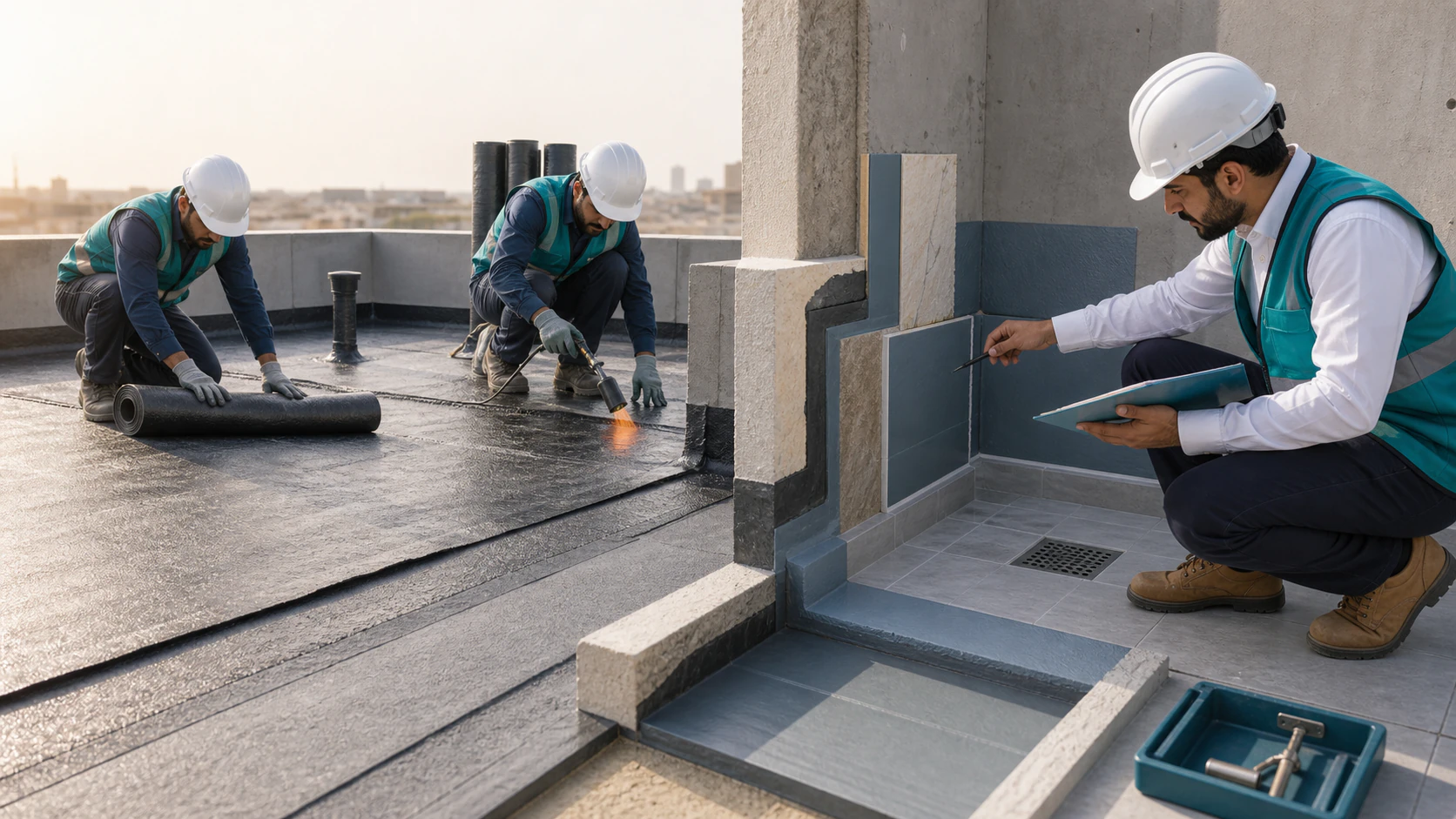
- Protective coatings or membranes on buried surfaces where exposure is severe.
Where chlorides are also high, the specification must balance sulfate resistance with protection of the steel, since the two mechanisms call for different measures. Supervision then plays a key role, confirming the delivered cement type, checking concrete quality, verifying cover with spacers, and recording curing. Together, these steps protect foundations from chemical attack and help the structure reach its intended service life on high-salinity sites.