New Guide for Selecting High-Quality Interior Finishing Materials
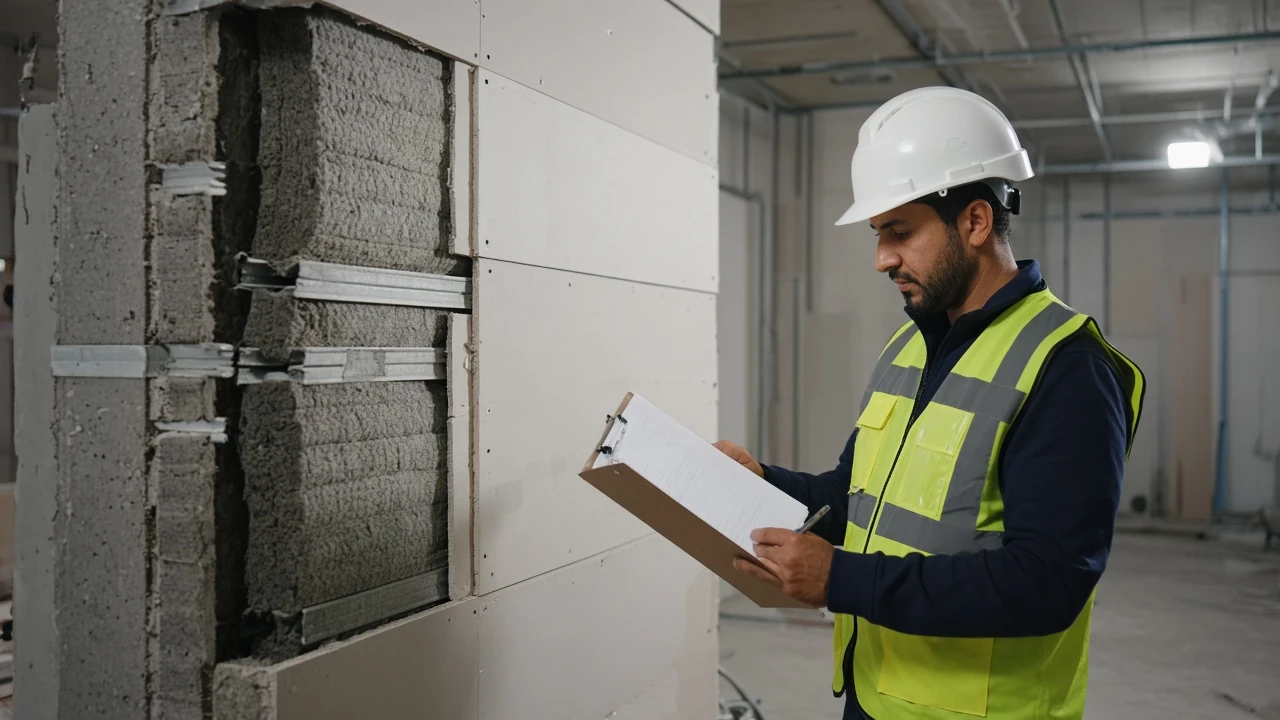
Finishing materials are what occupants see and touch every day. Floors, wall finishes, ceilings, doors and fittings shape the character of a space and strongly influence how users perceive its quality. They also represent a significant share of project cost and determine much of the maintenance burden over the building's life. A structured approach to selecting these materials helps owners and designers make choices they will not regret.
Balancing Quality and Cost
The most expensive option is not always the best, and the cheapest often costs more over time. A technical guide encourages decisions based on performance in the specific location rather than on price alone.
- Durability suited to the level of use, with heavier-duty materials in lobbies, corridors and commercial areas.
- Resistance to moisture, staining and abrasion where conditions require it, such as kitchens and wet areas.
- Ease of cleaning and maintenance, and the availability of replacement materials.
- Installation requirements and the skill level needed to achieve a good result.
Comparing options on these criteria, together with initial and long-term cost, gives a clearer picture of value.
Sustainability Considerations
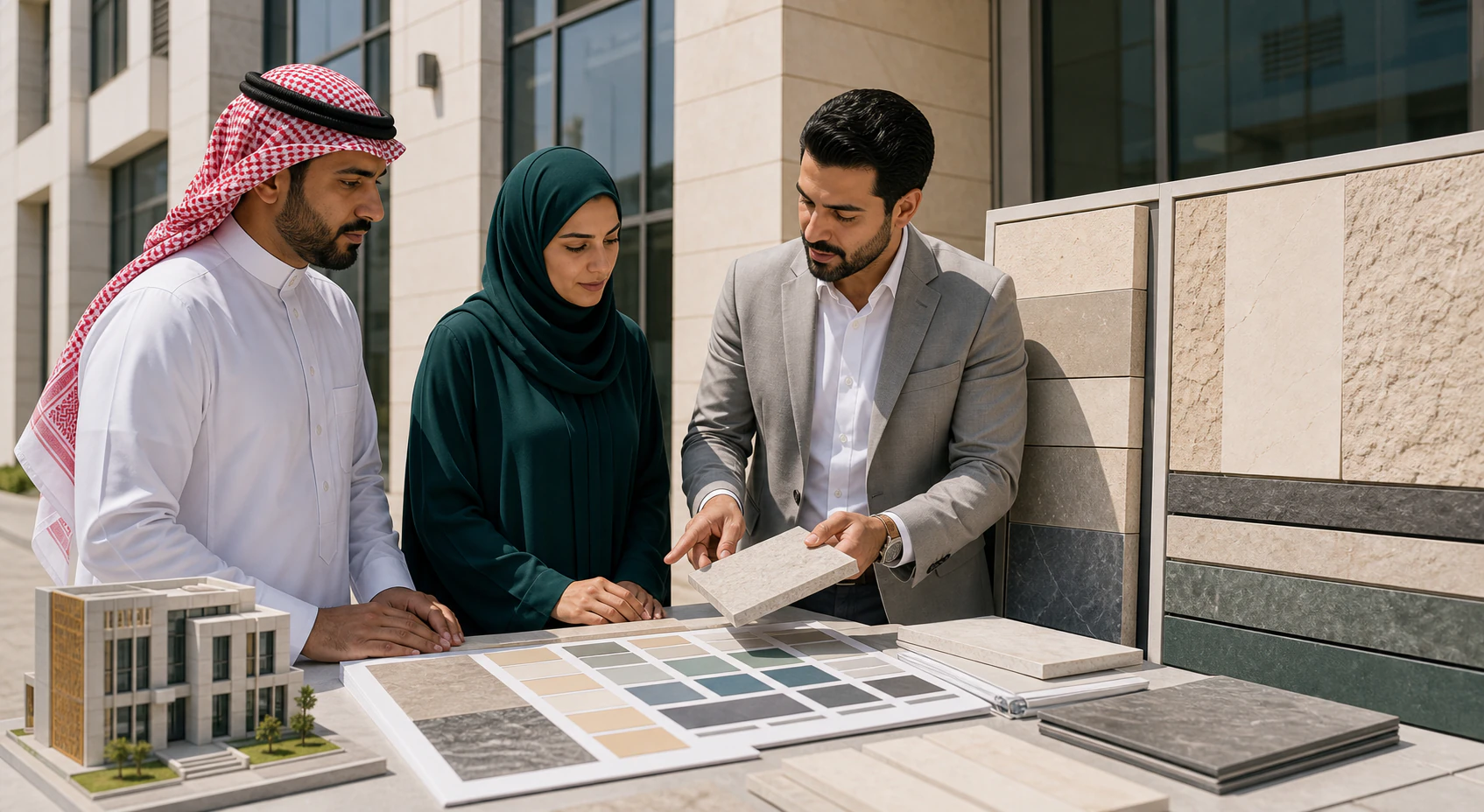
Material choices also affect the environmental performance of a building. Durable materials reduce the frequency of replacement, locally available products can reduce transport impacts, and low-emission paints, adhesives and sealants contribute to healthier indoor air. For exterior finishes, materials that withstand sun, heat and dust help maintain the building's appearance without frequent renewal.
Supporting the Interior Design Vision
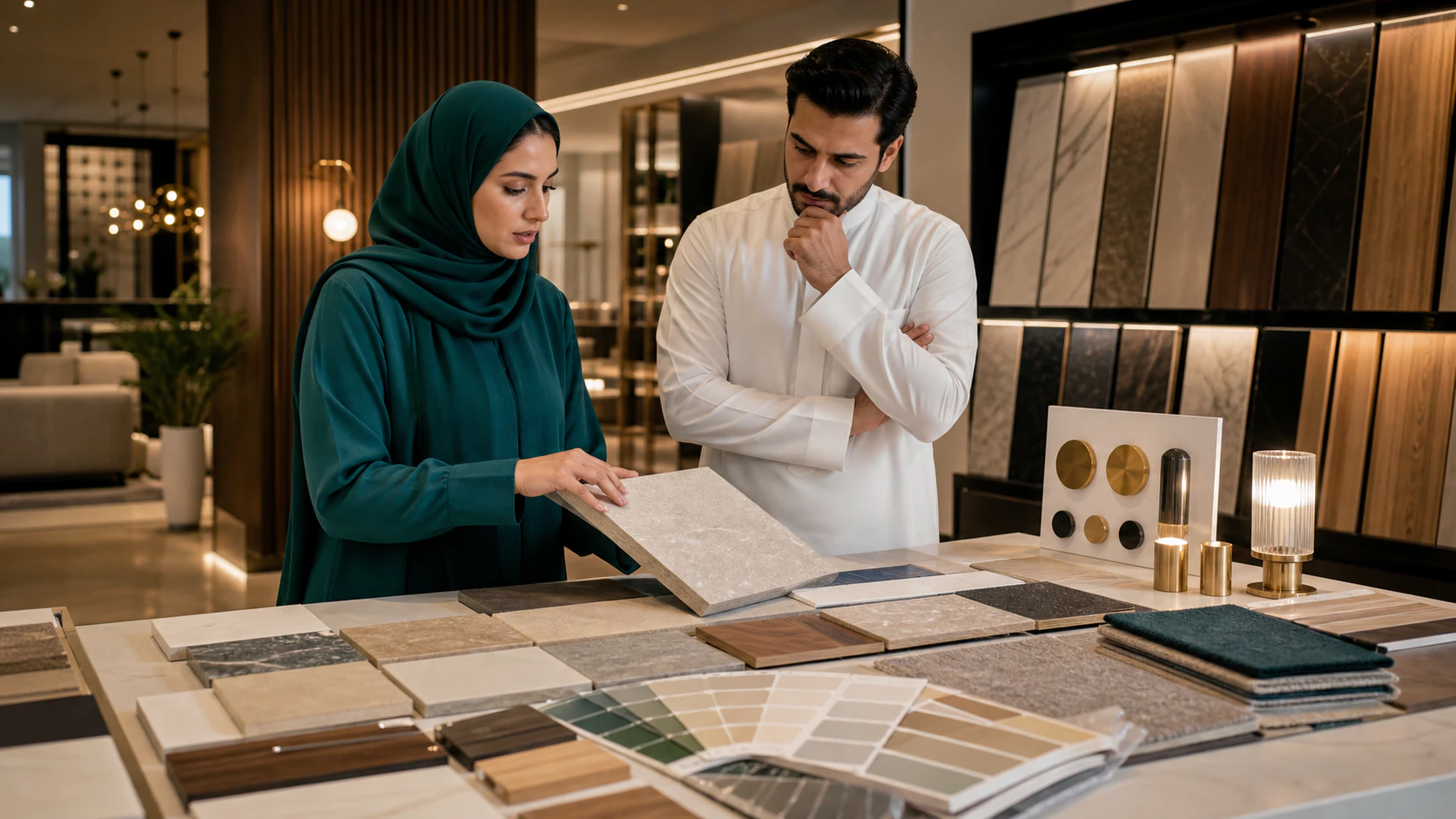
Finishes must serve the design intent. Color, texture, pattern and the way materials meet each other all contribute to the character of a space. A guide helps designers and owners select materials that are consistent across the project, appropriate to each space's function and compatible with lighting and furniture choices. Reviewing physical samples and mock-ups before final approval reduces the risk of surprises once materials are installed at scale.
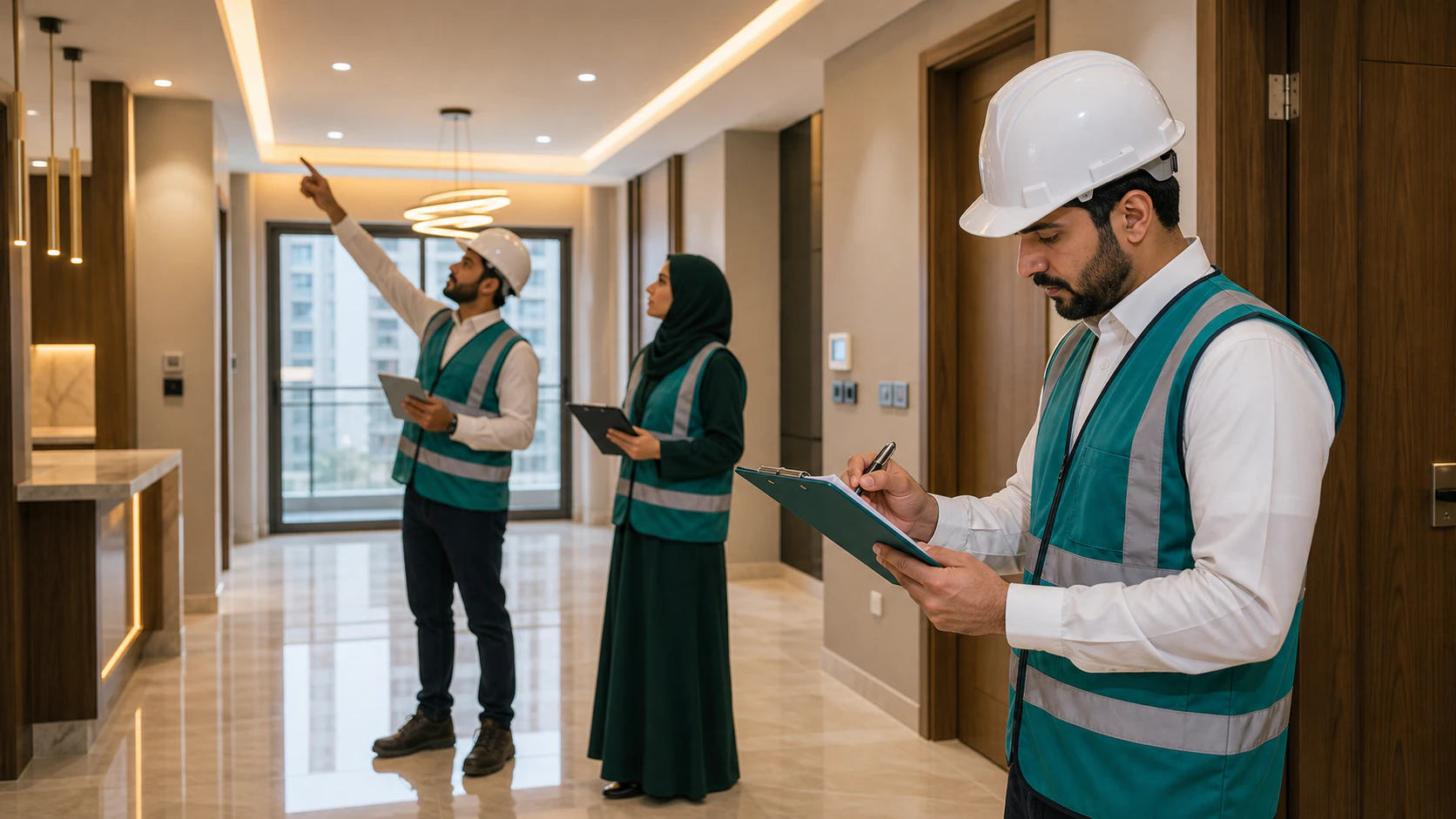
Clear specifications are the final step. Describing each material's performance requirements, not only its appearance, protects the design when contractors propose alternatives during construction.
VARIO (Al-Mukhtalef) applies this structured approach in its interior design and finishing works, helping clients select interior and exterior materials that balance quality, cost, sustainability and design requirements for modern projects.