Controlling Acoustic Insulation Handover Between Residential Units
Noise from neighbors is one of the most common complaints in apartment buildings, and it is also one of the hardest problems to fix after residents move in. Footsteps from the unit above, voices through a shared wall or sound traveling along pipes can all reduce comfort and value. Careful control of acoustic insulation at handover is the last chance to catch weaknesses before they become permanent.
Inspecting Shared Walls
Party walls between units must provide the sound separation specified in the design. Their performance depends not only on the wall type but on how carefully it is built.
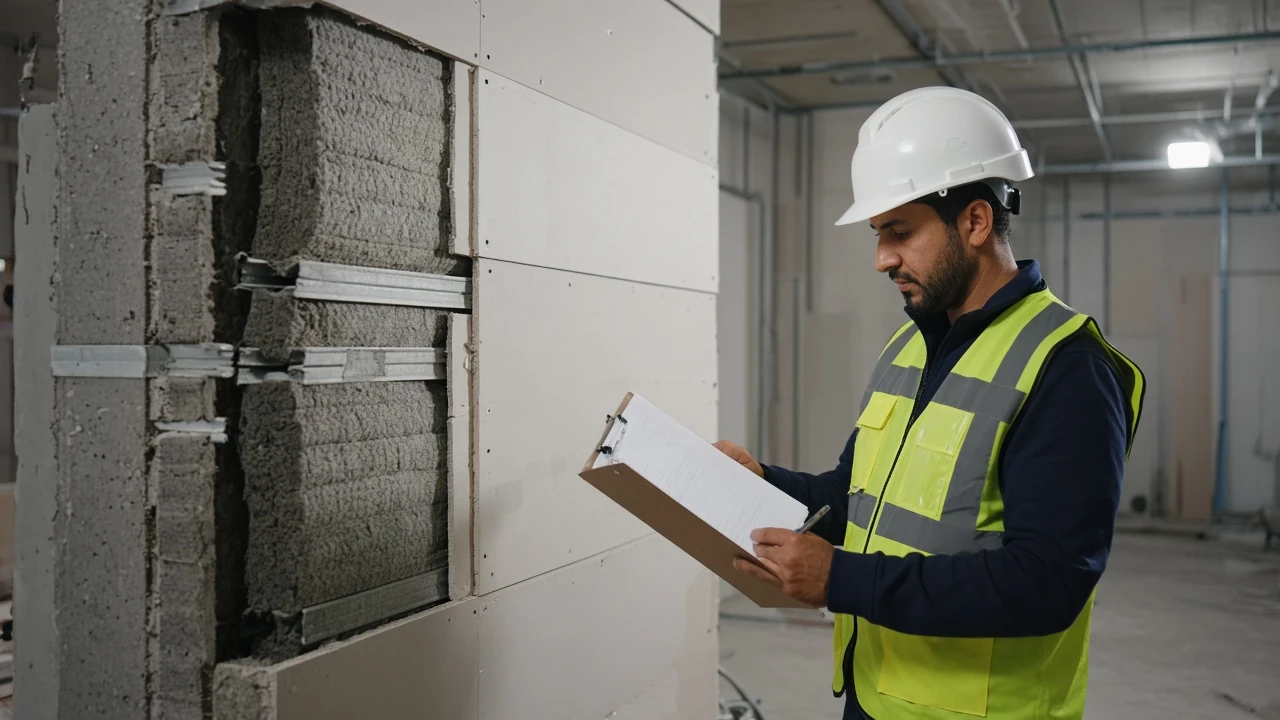
- Walls built to their full height and sealed at the slab above, without gaps hidden by ceilings.
- Continuous insulation layers where the wall system includes them.
- Sockets, switches and recessed boxes on opposite sides of the wall offset rather than back to back.
- Joints with columns, facades and other walls properly sealed.
Floors and Impact Noise
Floors between units must limit both airborne sound and impact noise from footsteps and moving furniture. Where the specification includes resilient layers or floating screeds, inspection confirms that these layers are continuous and that the screed or flooring is isolated from walls by perimeter strips. A single rigid connection, such as a screed touching the wall or a pipe bridging the layer, can significantly reduce performance.
Service Openings and Penetrations
Pipes, ducts and cables passing between units create potential sound paths. Openings around them should be sealed with suitable materials, and shafts should be enclosed as designed. Drainage pipes passing through living spaces may need acoustic wrapping to reduce flow noise.
Inspection findings should be recorded with locations and photographs, corrected by the contractor, and re-checked before acceptance. Where the specification requires it, on-site acoustic testing can provide objective confirmation of performance for representative units.
Inspection is most effective when it starts early, before ceilings are closed and final flooring is laid, because many acoustic defects become invisible once finishes are complete. Planning these checks as hold points in the finishing program avoids costly opening-up later.
Accepting acoustic works against approved specifications protects residents' comfort and the developer's reputation. VARIO (Al-Mukhtalef) supports finishing handover with structured inspections of shared walls, floors and service openings, helping residential buildings deliver the sound separation their occupants expect.