Criteria for Selecting Stone and Paints in Exterior Facades
Stone and paint are among the most widely used exterior finishes in Saudi buildings. Both can create attractive, distinctive facades, but they respond very differently to sun, heat, dust and occasional rain. Selecting the right materials, and the right specifications within each type, determines how the facade will look not only at handover but years later.
Durability in a Demanding Climate
Exterior finishes face intense solar radiation, high temperatures, large daily temperature swings and wind-blown dust. These conditions test the durability of materials.
- For stone, density, water absorption and resistance to weathering influence how well it holds up over time.
- For paints, resistance to ultraviolet light, color retention and flexibility to accommodate thermal movement are key properties.
- Compatibility with the substrate, whether concrete, block or render, affects adhesion and long-term performance.
- Fixing systems for stone cladding must be suitable for the panel size, weight and wind loads.
Ease of Maintenance
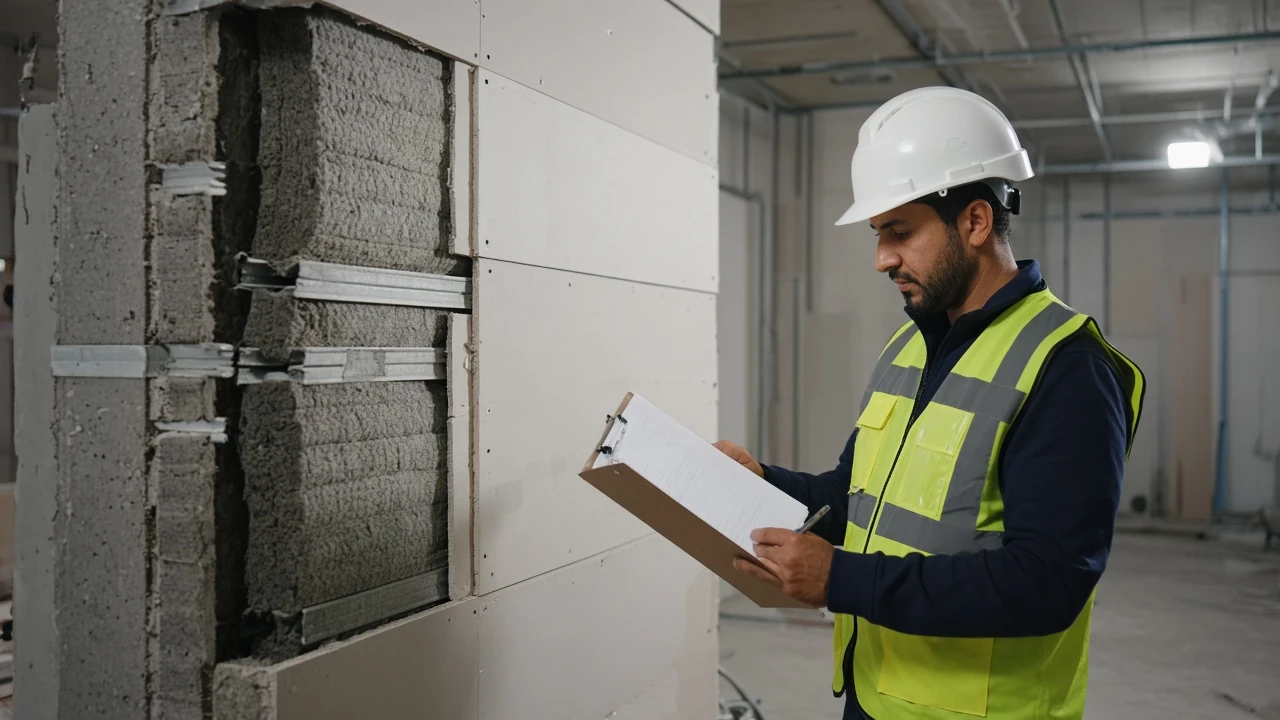
Facades accumulate dust and, over time, may need cleaning, repair or recoating. Materials that resist staining and can be cleaned easily reduce maintenance effort. Textured finishes can hide minor dirt but may hold more dust, while smooth finishes are easier to wash. Accessibility for maintenance, particularly on taller buildings, should be considered when choosing finishes that may need periodic attention.
Paint systems have a defined service life and will eventually need repainting, whereas well-chosen stone can last for decades with limited maintenance. The life-cycle cost of each option, not just its initial price, should guide the decision.
Weather Resistance and Visual Identity
Weather resistance also involves how the facade deals with water. Proper detailing of joints, copings, sills and drips prevents water from running down and staining surfaces or penetrating behind cladding.
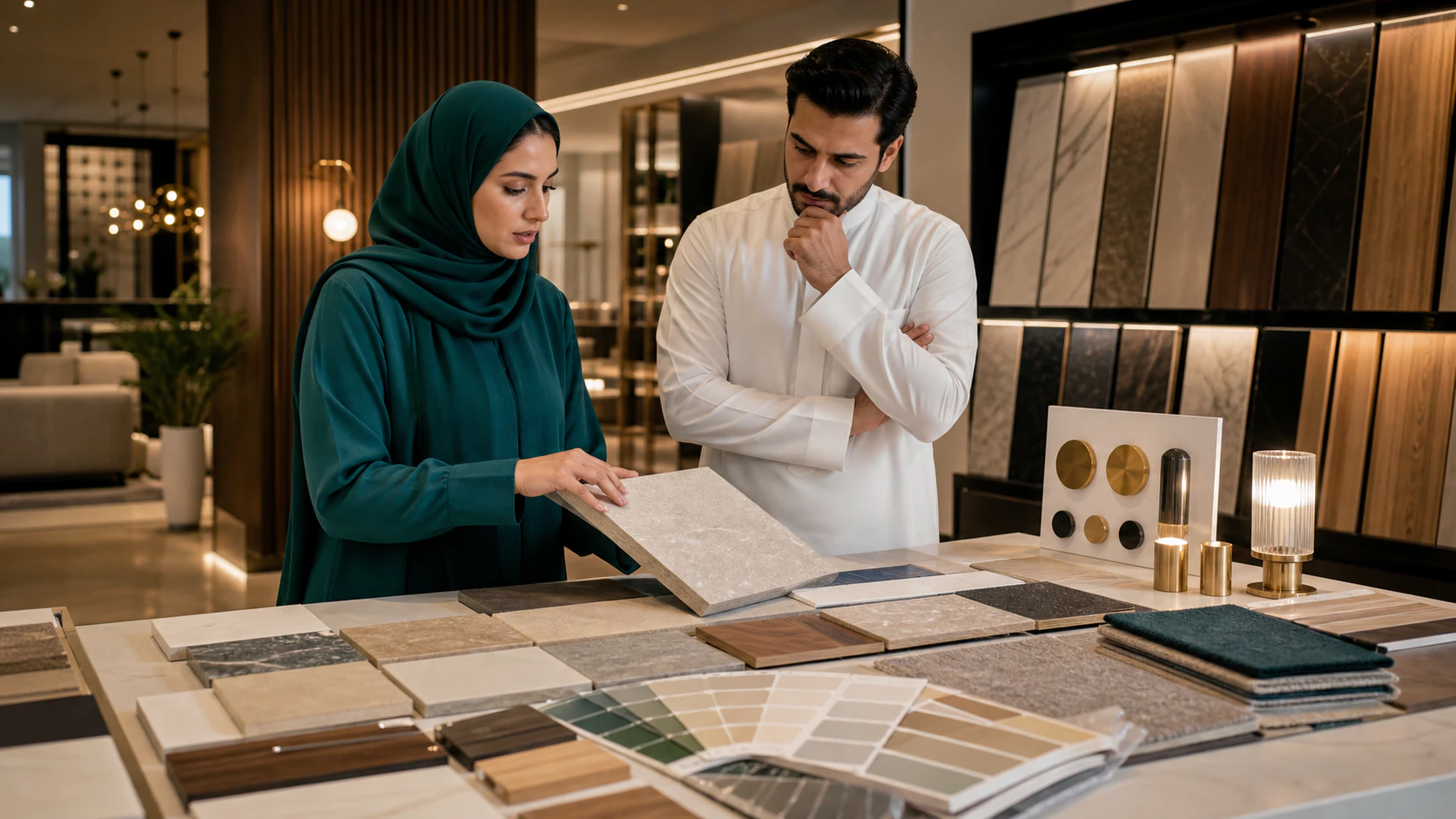
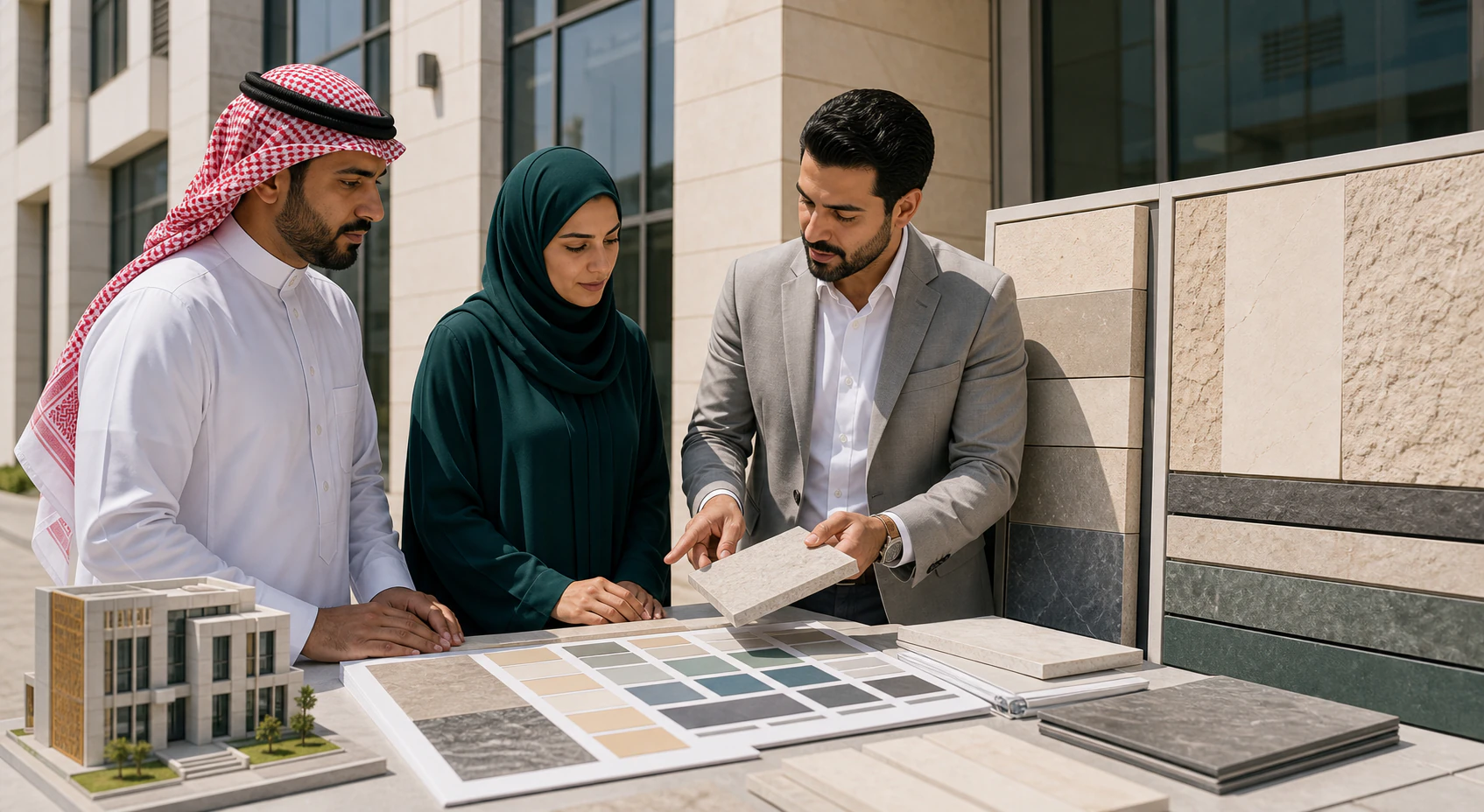
Finally, materials must express the building's character. Color, texture and the way stone and paint are combined contribute to its visual identity and to its relationship with the surrounding streetscape. Light colors also reflect more solar radiation, which can help reduce heat gain. Reviewing samples on site, under real daylight, helps confirm that the final appearance matches the design intent.
VARIO (Al-Mukhtalef) applies these criteria in its finishing works and facade design, helping clients choose stone and paint systems that are durable, maintainable, weather resistant and true to the building's identity.