Improving On-Site Material Flow to Reduce Daily Idle Time
On many construction sites, lost productivity does not come from slow work but from waiting. Crews wait for materials to arrive, for a crane to become free, or for a blocked access route to clear. Over weeks and months, these daily interruptions add up to significant delays. Improving the flow of materials within the site is one of the most practical ways for a general contractor to reduce idle time.
Planning Supply Paths and Access
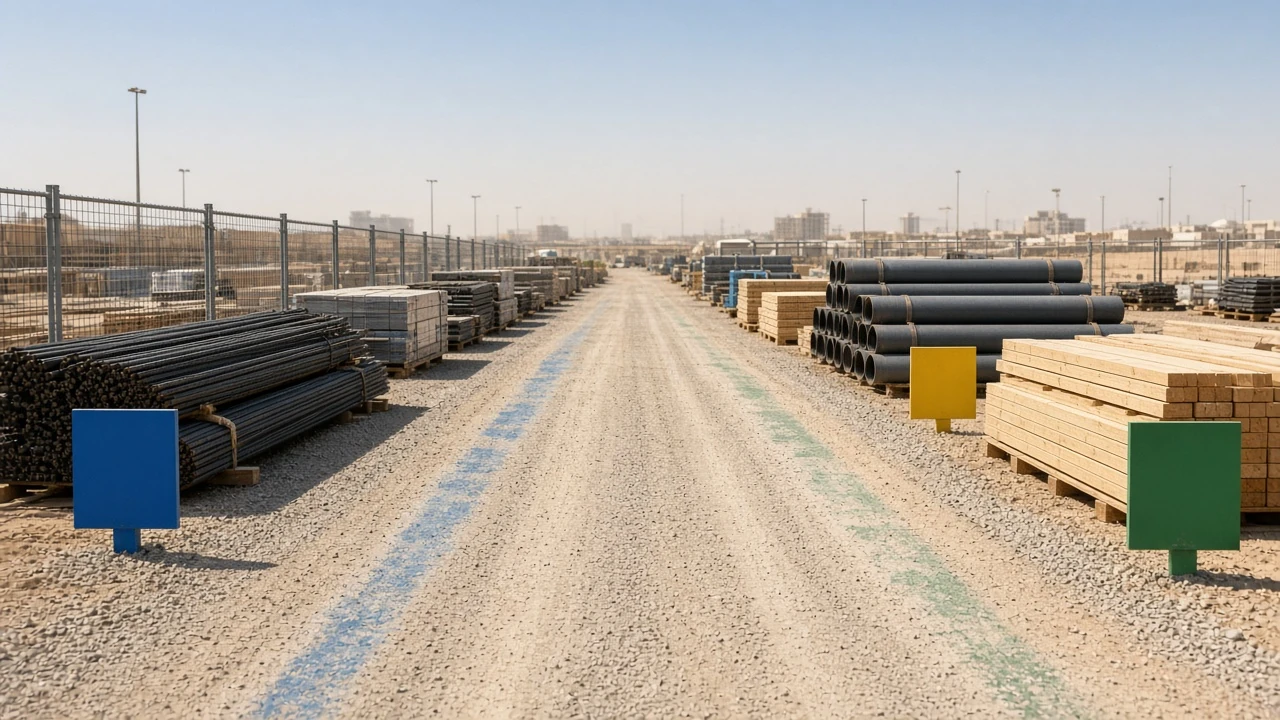
Material flow starts at the site gate. Clear, well-maintained access routes allow delivery vehicles to enter, unload and leave without blocking other activities.
- Defined entry and exit points for deliveries, separated from pedestrian access where possible.
- Unloading areas located within reach of lifting equipment.
- Internal routes kept clear of stored materials and debris.
- Adjustments to routes as the building grows and site space changes.
Organizing Storage Zones
Where materials are stored matters as much as when they arrive. Storage zones should be close to where materials will be used, but positioned so they do not obstruct work fronts or access routes. Materials that are sensitive to weather, such as cement, insulation and finishing products, need protected storage, while heavy items like reinforcement should be placed where they can be lifted efficiently.
Good labeling and a simple layout help crews find what they need quickly, and regular housekeeping prevents storage areas from spreading across the site.
Scheduling Daily Deliveries
Delivery scheduling links procurement to the construction program. Instead of large, irregular deliveries that crowd the site, materials can be called off in quantities that match short-term work plans. This reduces handling, limits damage and keeps space available for active work.
- Delivery times coordinated with crane availability and pouring schedules.
- Daily or weekly look-ahead plans shared between site management and suppliers.
- Priority given to materials for critical-path activities.
Critical stages, such as structural frame works, facade installation or intensive finishing periods, benefit most from this planning, because any interruption there affects the whole project schedule.
When supply paths, storage and deliveries are managed together, crews spend more time building and less time waiting. VARIO (Al-Mukhtalef) applies these site management principles in its general contracting work, organizing material flow to reduce daily idle time and raise productivity during critical stages of construction.