Building Facade Design Reviewed to Improve Architectural Identity
A building's facade is its public face. It shapes how the building is perceived from the street, contributes to the character of the city and protects the interior from heat, sun and dust. In Saudi Arabia, where there is renewed attention to local architectural identity alongside rising expectations for energy performance, facade design has become a key focus of architectural review.
Expressing Architectural Identity
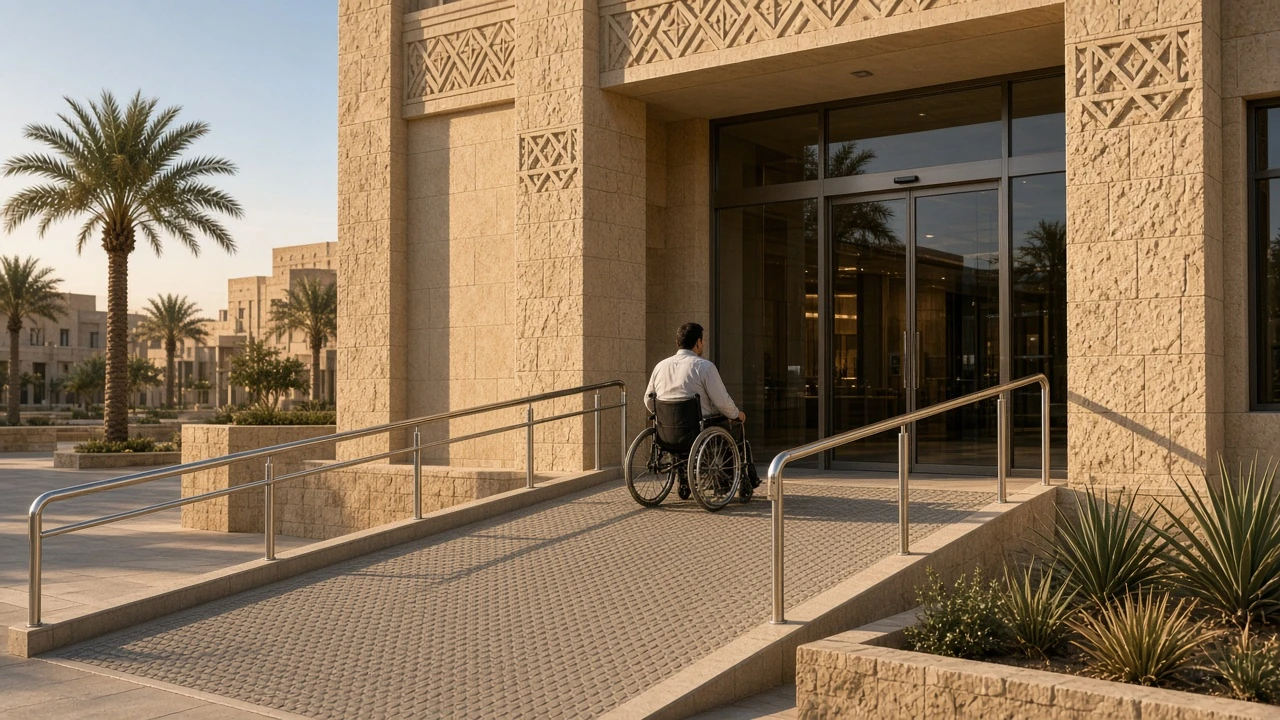
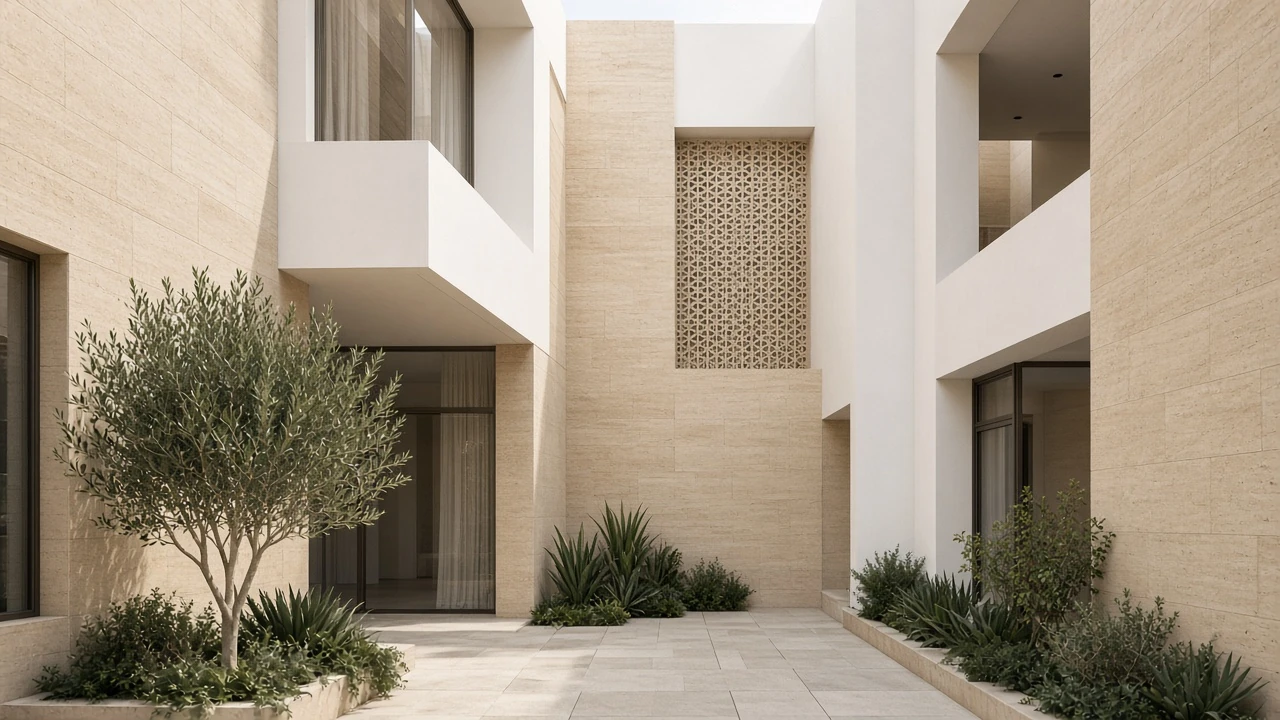
Facades can reflect local heritage and contemporary design at the same time. Proportions, rhythms of openings, materials and shading elements can draw on regional architectural traditions while meeting modern functional needs. A design review considers whether the facade has a clear, coherent identity that fits the building's use and its context.
- Consistency of the architectural language across all elevations.
- Appropriate proportions and composition of solid and open areas.
- Use of shading devices and screens that serve both function and expression.
- Relationship with neighboring buildings and the streetscape.
Thermal Performance and Daylight
The facade has a major influence on energy use. Large areas of unshaded glazing can increase cooling loads significantly, while well-insulated walls and carefully sized and shaded openings reduce heat gain. At the same time, daylight improves the quality of interior spaces and can reduce the need for artificial lighting.
A facade review balances these factors by checking insulation levels, glazing types, window-to-wall proportions and shading strategies, aiming for comfortable, well-lit interiors without excessive heat or glare.
Material Harmony and Durability
Materials define much of a facade's character, but they must also perform well over time. Stone, render, cladding panels and glazing each respond differently to sun, heat and dust. The review considers durability, maintenance needs and how materials work together in color and texture. Harmony with the surrounding environment, including the natural landscape and nearby buildings, helps the building sit comfortably in its setting.
Detailing is equally important. Joints, edges, fixings and drainage of facade elements affect both appearance and long-term performance.
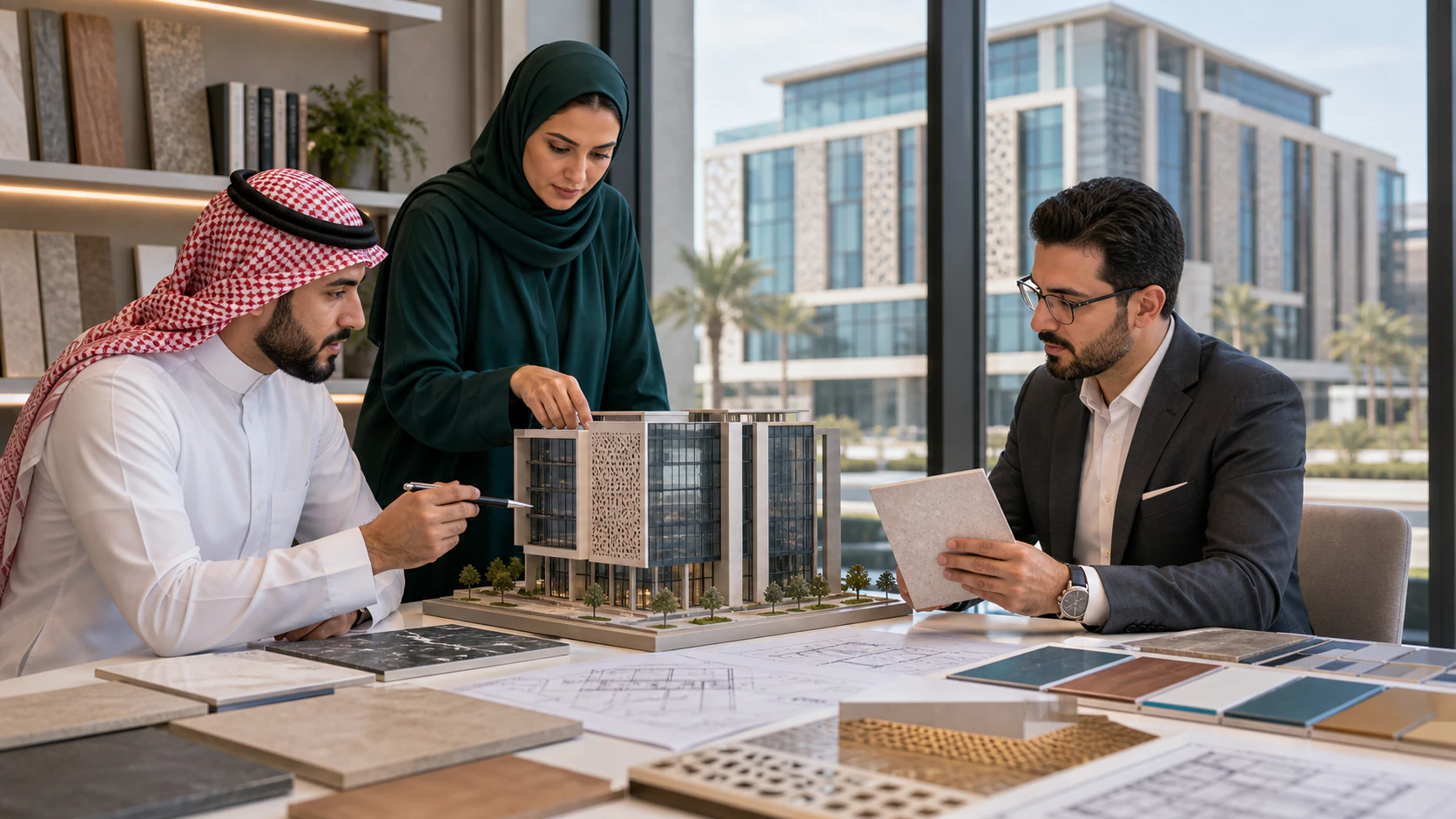
VARIO (Al-Mukhtalef) reviews and develops facade designs as part of its architectural services, combining architectural identity with thermal performance, daylight and material harmony to create buildings that are distinctive, comfortable and durable.