Technical Feasibility Study for a Retail Complex Uses Market and Operations Analysis
A retail complex is a long-term investment. Its success depends not only on good architecture but on whether it suits its market, can be built at a realistic cost and can operate efficiently for years. A technical and economic feasibility study, carried out before design begins, gives investors a structured basis for deciding whether and how to proceed.
Understanding the Market
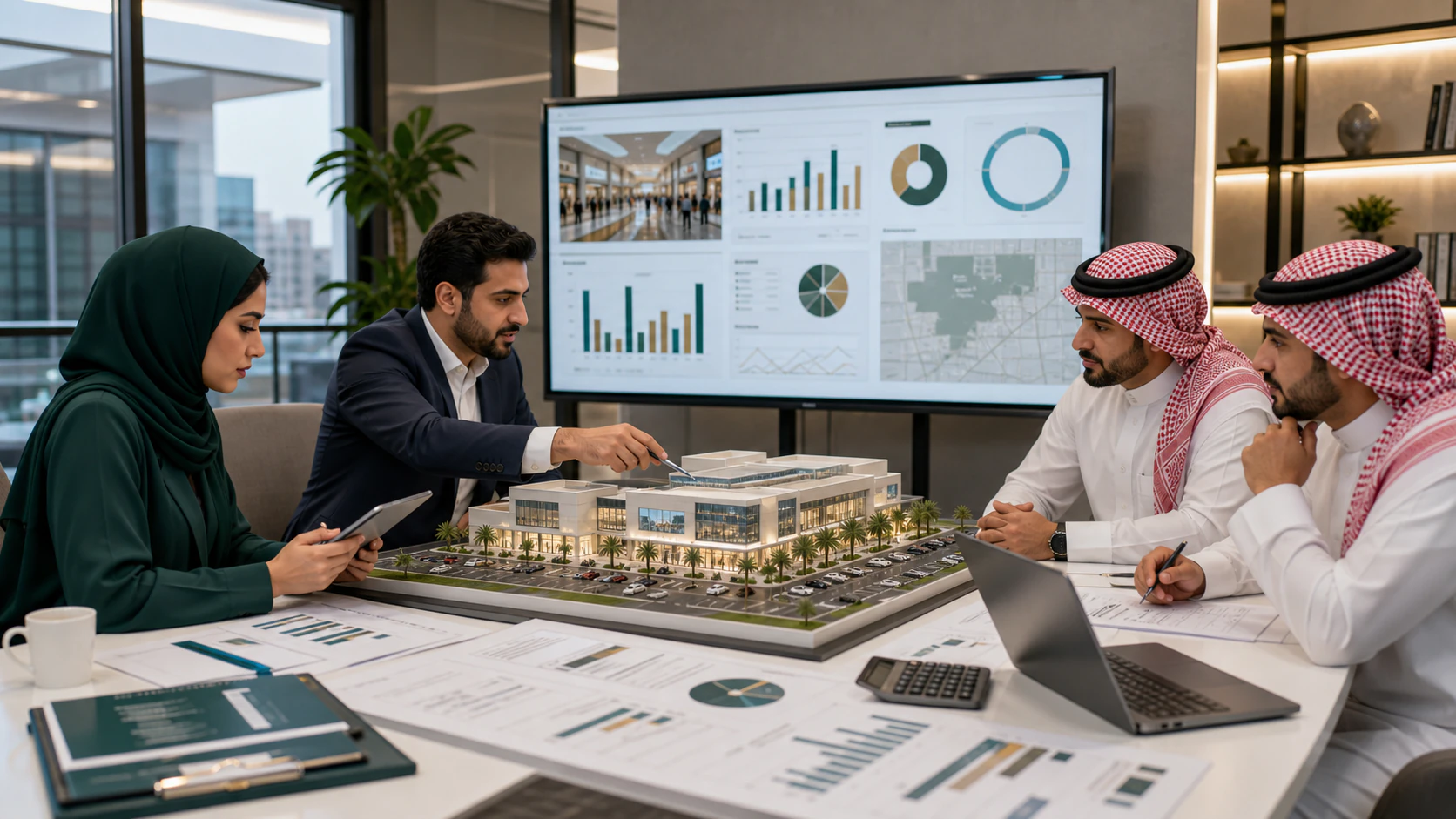
Market analysis is the starting point. It examines who the complex will serve and what they need, helping define the right size and mix of uses.
- The catchment area and the characteristics of potential visitors.
- Existing and planned competing retail developments.
- Demand for different types of retail, food and entertainment space.
- Accessibility, visibility and parking considerations related to the site.
These findings inform the development concept, including the size of the complex, the mix of tenants and the type of anchor uses that may attract visitors.
Estimating Cost and Operational Efficiency
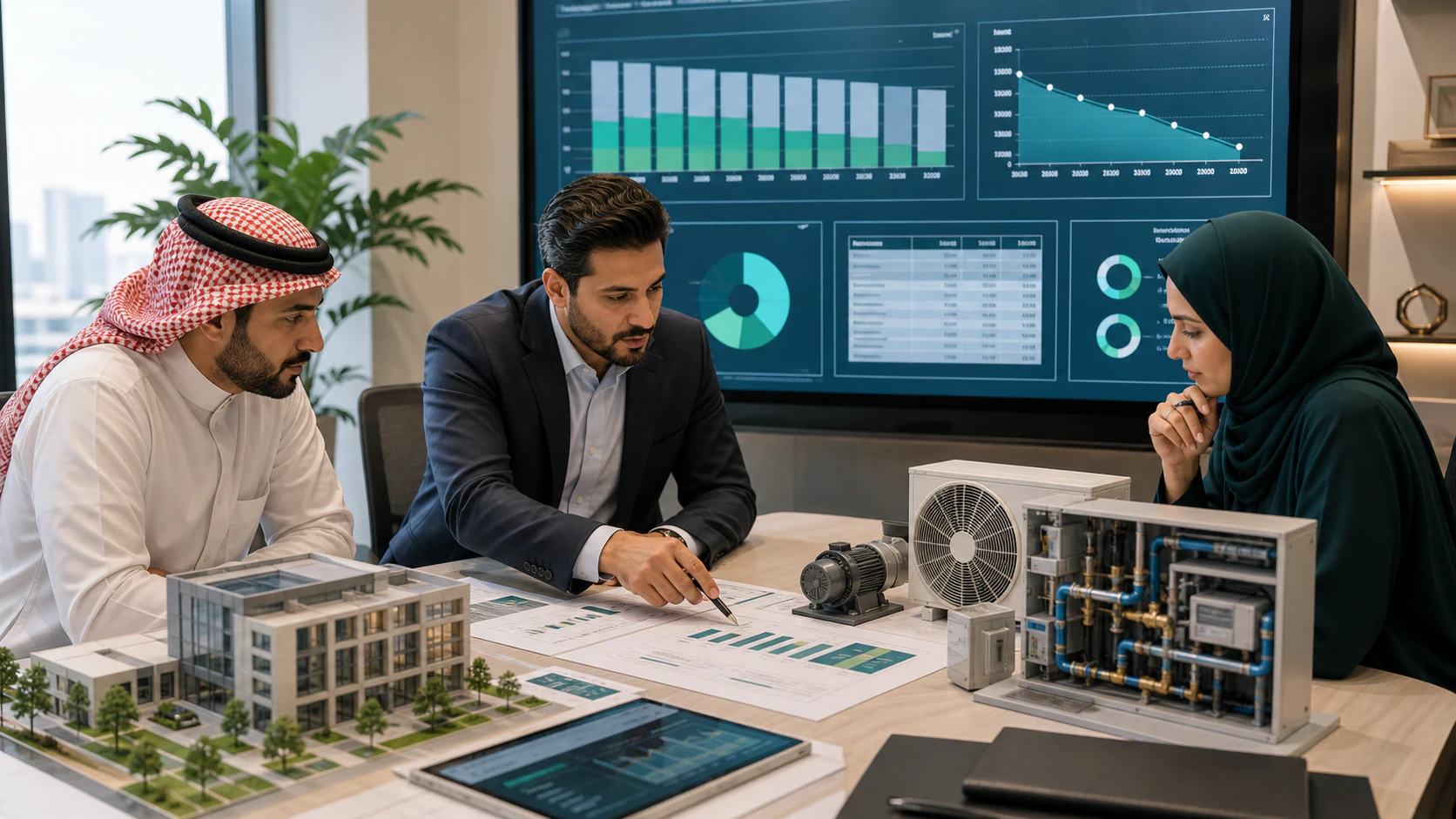
The technical part of the study translates the concept into an initial estimate of construction cost, based on the expected building areas, structural and MEP systems and finishing standards. Alongside capital cost, the study considers how the complex will operate.
Operational efficiency covers factors such as energy and water consumption, maintenance requirements, service access, waste management and security. Design choices made later, such as the layout of service corridors or the type of cooling system, have a major effect on operating costs, so identifying efficient options early adds long-term value.
Assessing Investment Risks
Every investment carries risk. A feasibility study identifies the main uncertainties, such as changes in market demand, construction cost escalation, approval timelines or leasing performance, and considers how sensitive the project's outcomes are to these factors. Presenting scenarios helps investors understand the range of possible results rather than relying on a single forecast.
By bringing market, cost, operations and risk together before design, the study supports a sound investment decision and gives the design team a clear brief built on evidence.
VARIO (Al-Mukhtalef) prepares technical and economic feasibility studies for commercial developments, helping investors evaluate retail complex projects with clear analysis of the market, cost, operational efficiency and risk before the design stage.