Preventive Maintenance Plan for Buildings After Final Handover
Final handover marks the moment when a building's performance becomes the owner's responsibility. From that point, how well the building continues to function depends largely on maintenance. Reactive maintenance, fixing things only when they fail, tends to be more expensive, more disruptive and less predictable. A preventive maintenance plan shifts the focus to keeping systems and building elements in good condition before problems arise.
MEP Systems at the Core
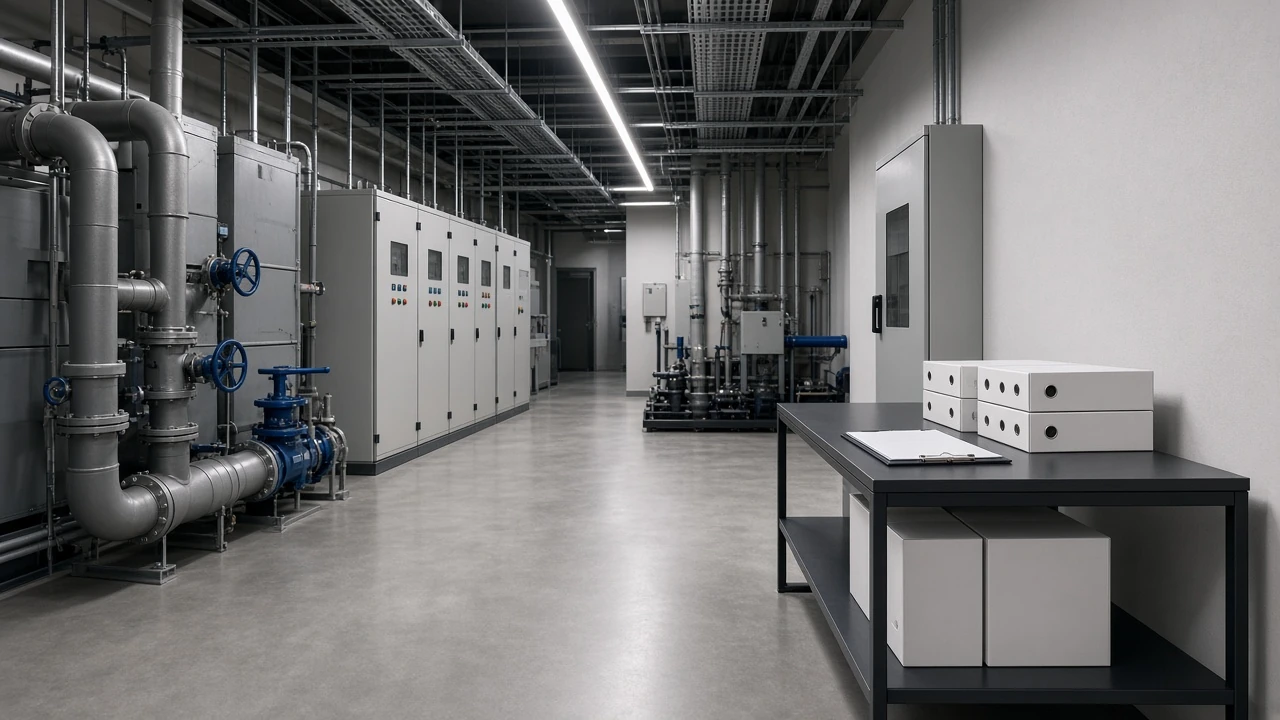
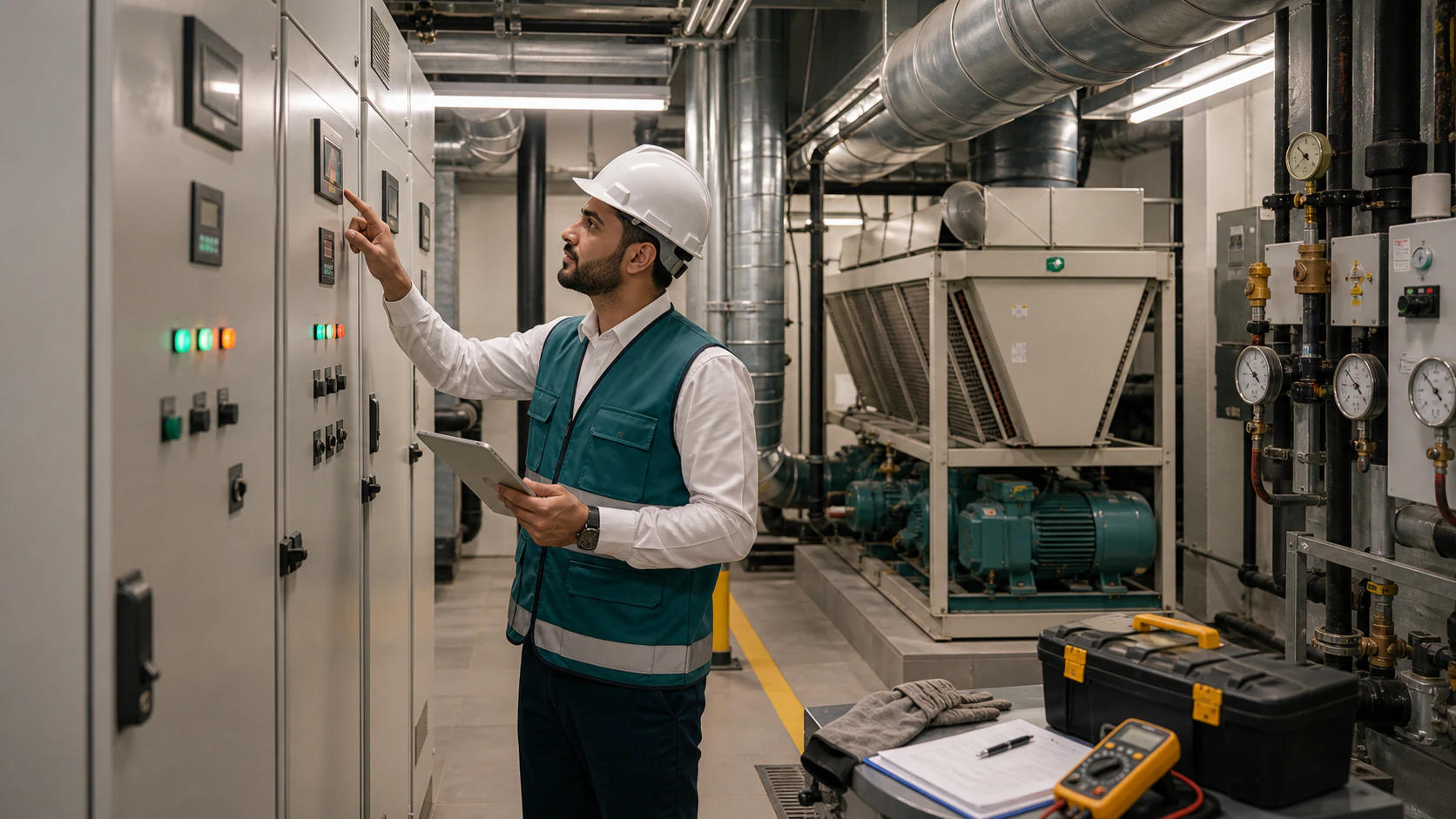
Mechanical, electrical and plumbing systems are the most maintenance-intensive part of most buildings, and failures directly affect occupants.
- HVAC: filter cleaning or replacement, coil cleaning, checks on fans, pumps and controls.
- Electrical: inspection of panels and connections, testing of protection devices and emergency lighting.
- Plumbing: checks on pumps, tanks, valves and fixtures, and inspection for leaks.
- Fire and life safety systems: periodic testing and inspection as required by applicable regulations.
Scheduling these tasks according to manufacturer recommendations and operating conditions keeps equipment efficient and extends its life.
Facades and Insulation
The building envelope also needs attention. Facades are exposed to sun, heat, dust and occasional rain, and their condition affects both appearance and performance. Periodic inspection of sealants, joints, cladding fixings, glazing and paint finishes allows small defects to be repaired before they cause water penetration or deterioration.
Roof and wall insulation and waterproofing should be checked for damage, particularly after works on the roof or installation of new equipment. Maintaining the envelope helps preserve the energy performance that was designed into the building.
Measuring Operational Performance
A preventive plan is more effective when supported by performance indicators. Tracking measures such as energy and water consumption, the number and type of breakdowns, response times and the completion rate of scheduled tasks gives owners an objective view of how the building is performing. Trends in these indicators can reveal developing problems, such as rising energy use that suggests declining equipment efficiency.
A computerized maintenance management system, or even a well-organized schedule and log, helps plan tasks, record work done and analyze results over time.
VARIO (Al-Mukhtalef) supports owners in operations and maintenance by preparing preventive maintenance plans that cover MEP systems, facades and insulation, supported by operational performance indicators to keep buildings efficient and reliable after handover.