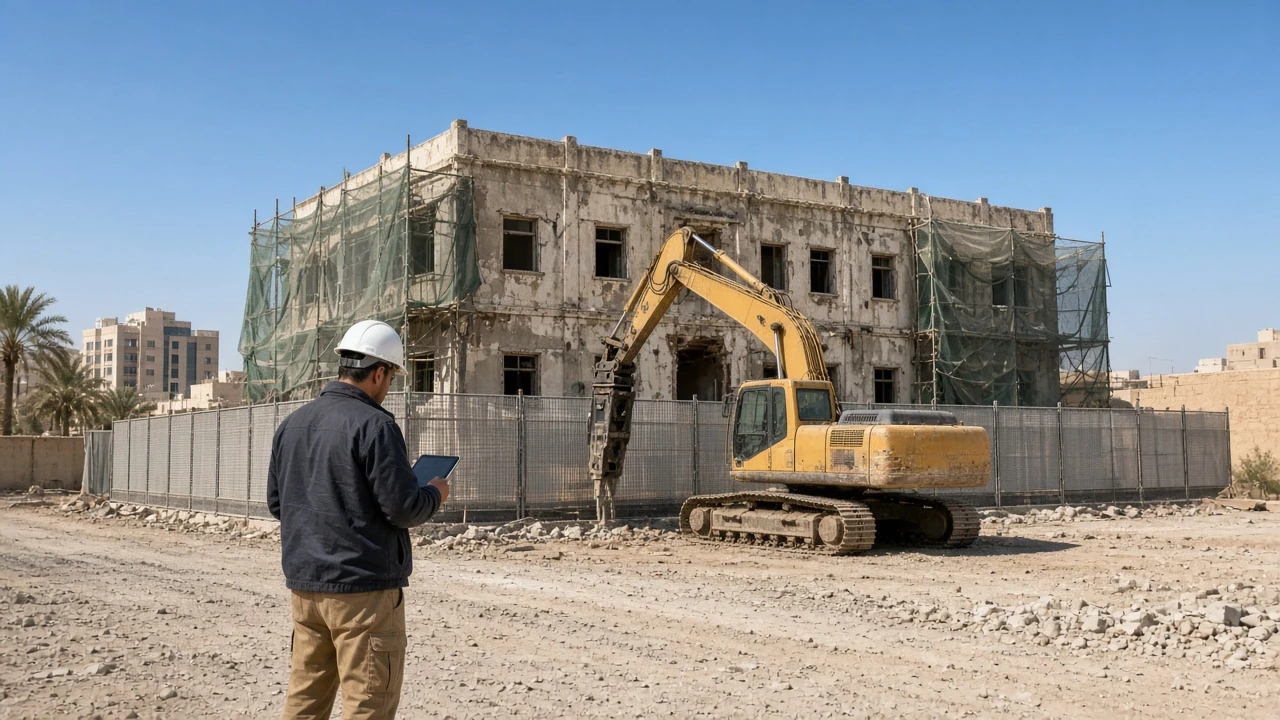
Permitting and Approval Workflows Improved for Residential Projects
For residential projects, the time between completing a design and starting construction is often determined by the permitting and approval process. Delays at this stage affect financing, contractor mobilization and sales plans. While review periods depend partly on the authorities, much of the difference between a smooth approval and a long one comes from the quality of the submission itself.
Accurate Drawings as the Foundation
Reviewers assess applications based on the drawings and documents they receive. When drawings are complete, consistent and clearly presented, the review can focus on substance rather than on missing information.
- Architectural drawings that show plans, elevations and sections with clear dimensions and areas.
- Site plans indicating setbacks, plot boundaries, access and parking in line with regulations.
- Structural and MEP drawings at the level of detail required for the type of application.
- Consistent information across all sheets, with no conflicting dimensions or areas.
Meeting Technical Requirements from the Start
Each type of permit has its own technical requirements, which may include safety provisions, accessibility, building heights, coverage ratios and parking standards. Checking these requirements during design, rather than after submission, reduces the likelihood of comments and resubmissions. A pre-submission checklist tailored to the application type is a simple but effective tool.
Supporting documents are equally important. Ownership documents, surveys, soil reports and other required items should be gathered and verified early so that the application is complete on first submission.
Shorter Review Cycles
Most delays occur when applications are returned for correction. Each cycle adds time for revision and re-review. By submitting accurate, complete and compliant drawings, projects can reduce the number of cycles and move to approval more quickly. When comments do arise, a clear, organized response addressing each point helps close them efficiently.
Following up on applications and keeping a record of submissions and responses also helps the project team plan with greater certainty.
Learning from recurring comments on previous submissions is another practical step. Each project adds to a team's understanding of what reviewers look for, and that knowledge can be built into checklists and templates for future applications.
VARIO (Al-Mukhtalef) supports residential developers and owners with building permit and approval services, preparing accurate drawings and technical documents that streamline workflows and shorten review time with the competent authorities.