Coordinating Excavation Permits with Utility Companies Before Start
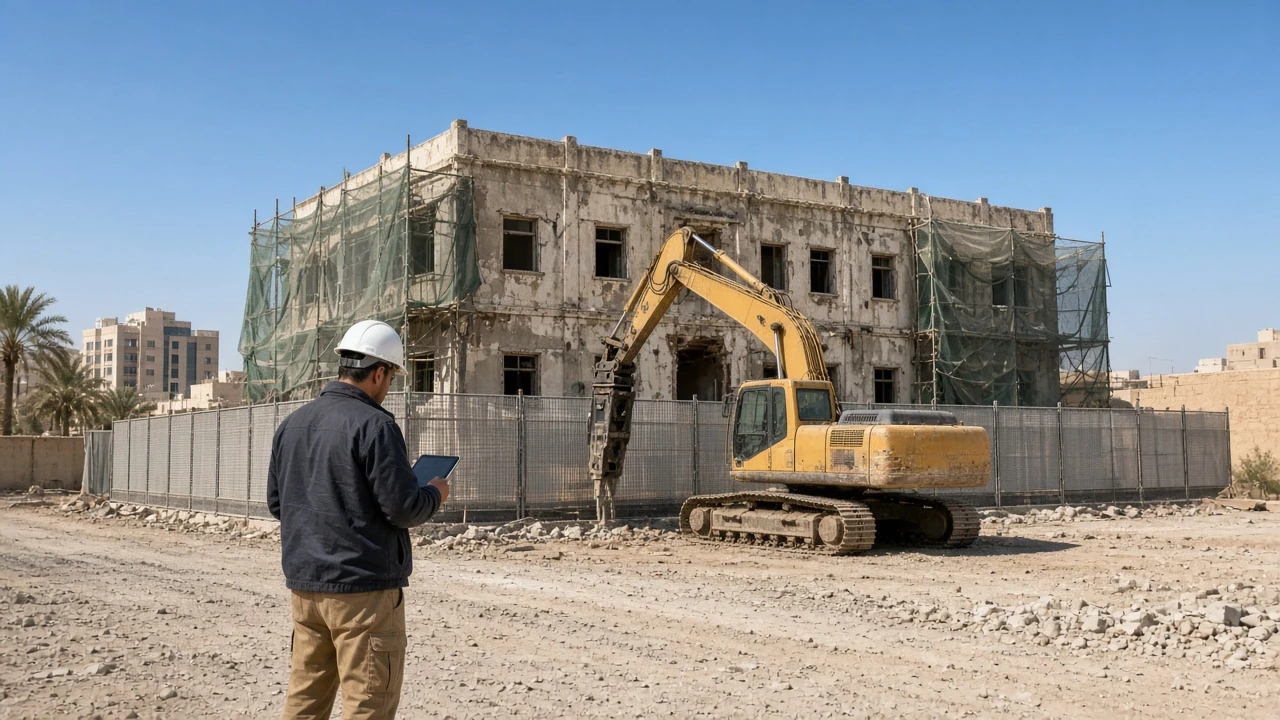
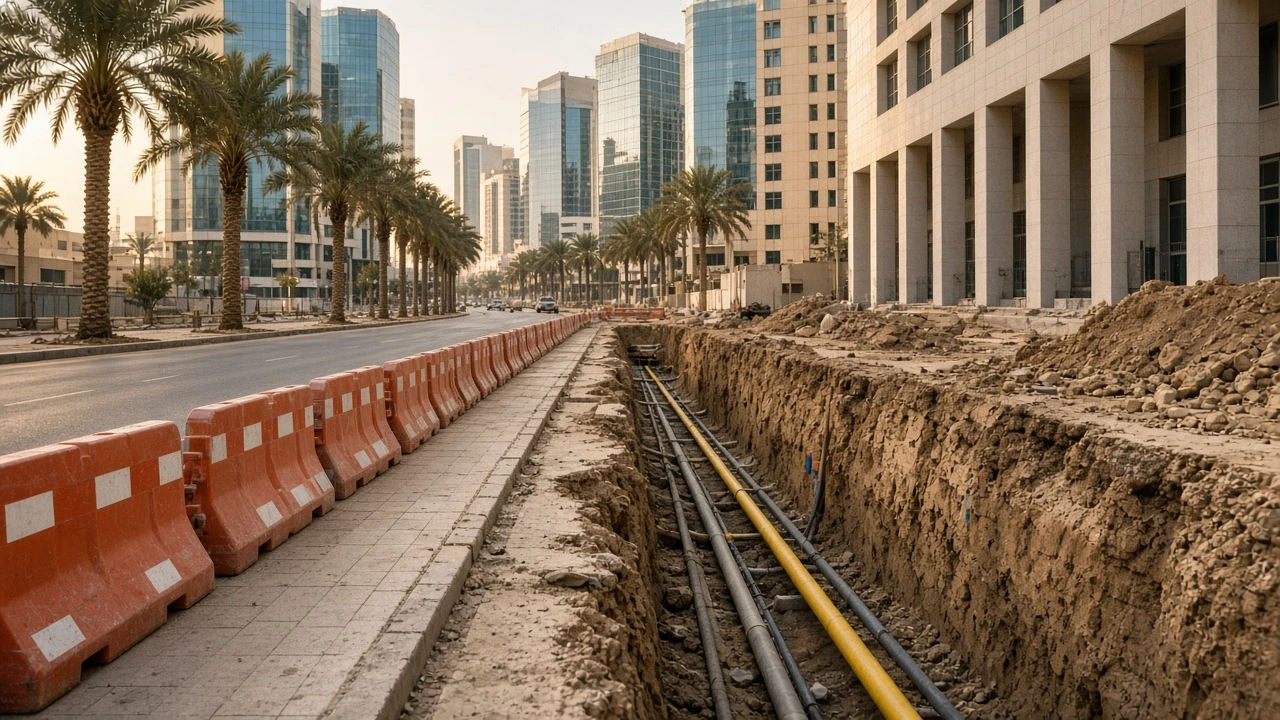
Below almost every urban site lies a network of existing services: water mains, sewer lines, power cables and telecom ducts. Excavating without a clear picture of these networks can damage critical utilities, endanger workers and bring a project to a halt. That is why coordinating excavation permits with utility companies before starting work is an essential early step in any project involving digging.
Understanding What Lies Below the Site
The coordination process begins with gathering information. Utility records, previous drawings and site surveys are reviewed to identify likely routes and depths of existing networks. Where records are uncertain, trial pits or detection methods can be used to confirm locations before major excavation starts.
- Review of existing water, drainage, electricity and telecom routes on and around the site.
- Comparison of utility locations with the planned excavation and foundation layout.
- Identification of crossings, conflicts and areas requiring special care.
Obtaining Clearances from Utility Providers
Each utility provider typically needs to review the planned works and confirm whether its networks are affected. Clearances may include conditions such as minimum distances, hand-digging zones, supervision by the provider's staff, or temporary diversions. Collecting these clearances before applying for or activating the excavation permit avoids surprises once the machines are on site.
Coordinating with several providers at once can be time-consuming, so it helps to prepare a consistent package of drawings and information for all of them and to track responses in one place.
Temporary Protection Plans
Where excavation must take place close to live services, a temporary protection plan sets out how those services will be kept safe. This may involve supporting exposed pipes, protecting cables with covers or sleeves, marking routes clearly on site, and defining safe working methods for crews and equipment.
- Physical protection and support for exposed utilities.
- Clear marking of service routes and no-dig zones.
- Briefings for site teams on the location of live services.
- Emergency contacts and response steps in case of accidental damage.
Good coordination protects both the project and the surrounding community. It reduces the risk of service outages for neighbors, avoids costly repairs and claims, and keeps the construction schedule on track. VARIO (Al-Mukhtalef) supports clients with permits and approvals by coordinating utility information, preparing submission drawings and following up clearances, so excavation can begin safely and without avoidable delays.