MEP Design Improved to Reduce Building Energy Consumption
In hot climates, mechanical, electrical and plumbing (MEP) systems account for most of a building's energy use. Air conditioning in particular runs for much of the year, while lighting, pumps and other equipment add to the load. Decisions made during MEP design therefore have a long-lasting effect on operating costs, comfort and environmental impact.
Designing for Energy Efficiency
Energy-efficient MEP design starts with reducing demand and then serving the remaining demand efficiently.
- Accurate cooling load calculations that reflect the building envelope, orientation and use, avoiding oversized equipment.
- Selection of efficient HVAC equipment and distribution systems suited to the building type.
- Controls that adjust cooling and ventilation to actual occupancy and conditions.
- Efficient lighting with appropriate controls, such as zoning, timers and occupancy sensors.
- Pumps and fans selected and controlled to match varying loads.
Coordination with the architectural design is important. Insulation, glazing and shading reduce cooling loads, allowing smaller and more efficient systems.
Ease of Maintenance
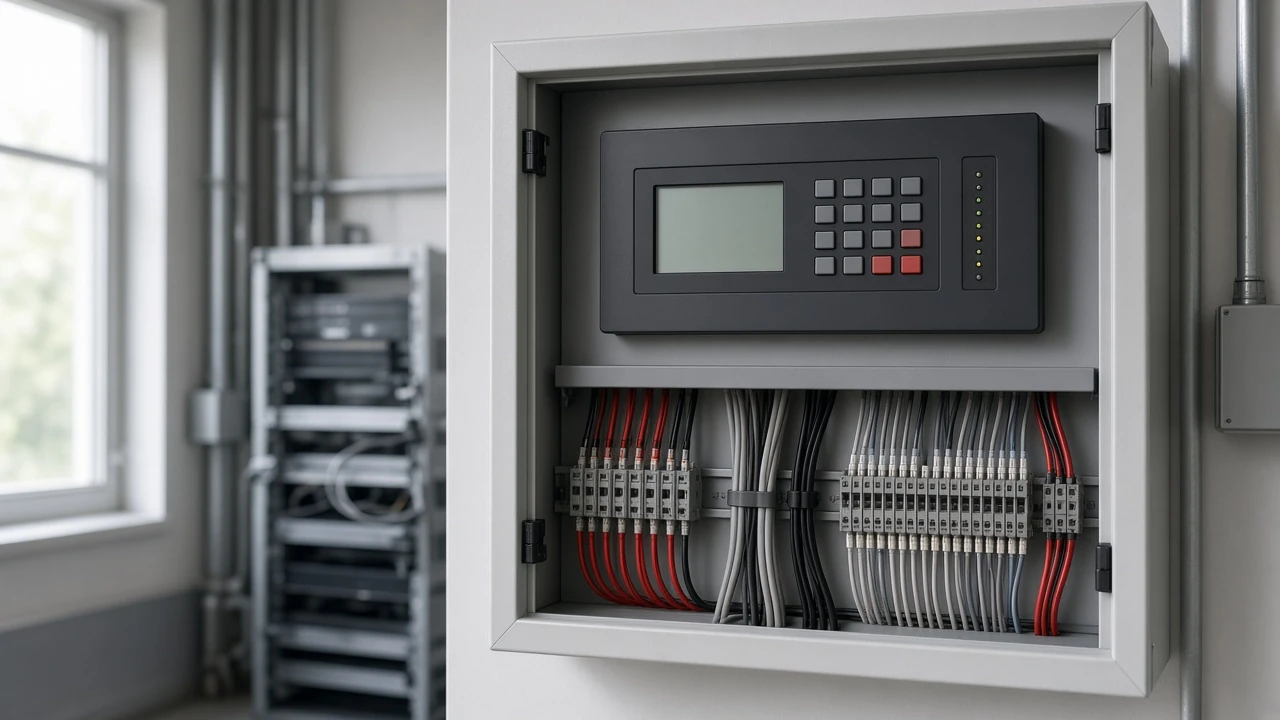
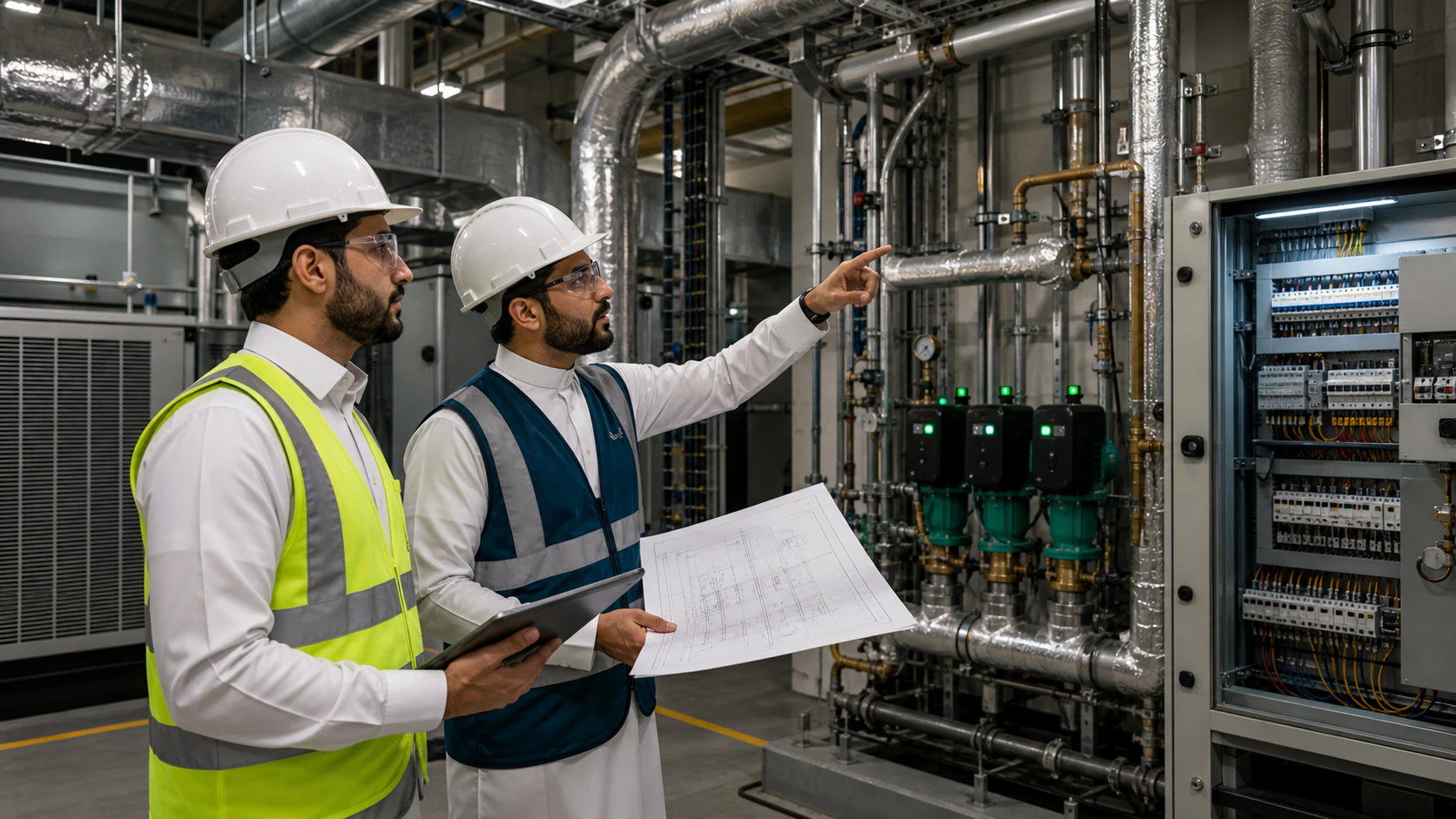
A system that is efficient on paper but difficult to maintain will lose performance over time. MEP design should provide safe, practical access to equipment, valves, filters and control panels. Standardizing equipment where possible, labeling systems clearly and providing complete operation and maintenance information all help facility teams keep systems running as designed.
Operational Reliability
Reliability is essential in both residential and administrative buildings. Occupants expect cooling, power and water to be available without interruption. Design measures such as appropriate redundancy for critical equipment, well-sized electrical distribution, protection devices and reliable water supply arrangements help achieve this. Commissioning and testing before handover confirm that systems perform as intended.
For administrative buildings, where occupancy patterns are often predictable, controls and scheduling can deliver significant efficiency. For residential buildings, simple, robust systems that residents can operate easily often perform best in practice.
Taken together, these principles reduce energy consumption without sacrificing comfort, while making buildings easier and less costly to run.
Monitoring energy use after occupancy, through metering and periodic review, helps confirm that the expected savings are being achieved and highlights where adjustments to controls or maintenance are needed.
VARIO (Al-Mukhtalef) applies these principles in its MEP design services, delivering electrical, HVAC and plumbing systems for residential and administrative buildings that are energy efficient, maintainable and reliable in operation.