Criteria for Selecting Fire Suppression Systems in Commercial Buildings
Commercial buildings bring together many different spaces under one roof: shops, offices, restaurants, storage areas, server rooms and plant rooms. Each of these spaces presents a different fire risk, and no single suppression system is right for all of them. Clear selection criteria help MEP designers match each area with the most suitable protection while meeting safety requirements.
Understanding the Occupancy and Its Hazards
Selection begins with the use of each space. The type and quantity of combustible materials, the presence of people, the value and sensitivity of contents, and the potential for rapid fire spread all influence the choice of system.
- Retail and office areas typically rely on automatic sprinkler systems as the primary protection.
- Kitchens in restaurants and food courts require dedicated hood and duct suppression suited to cooking fires.
- Rooms containing sensitive electronic equipment, such as data or control rooms, may call for clean agent gas systems that do not damage equipment.
- Storage areas need protection designed for the stored commodities and their arrangement.
Comparing System Types
Sprinkler systems are widely used because they respond automatically and control fires effectively in most commercial occupancies. Gas-based systems are suited to enclosed spaces where water could cause unacceptable damage, but they require room integrity, careful design and safety measures for occupants. Portable extinguishers provide first-response capability throughout the building and must be matched to the classes of fire likely in each area.
In many buildings, the best solution combines these systems, each applied where it performs best.
Response Speed and Maintenance
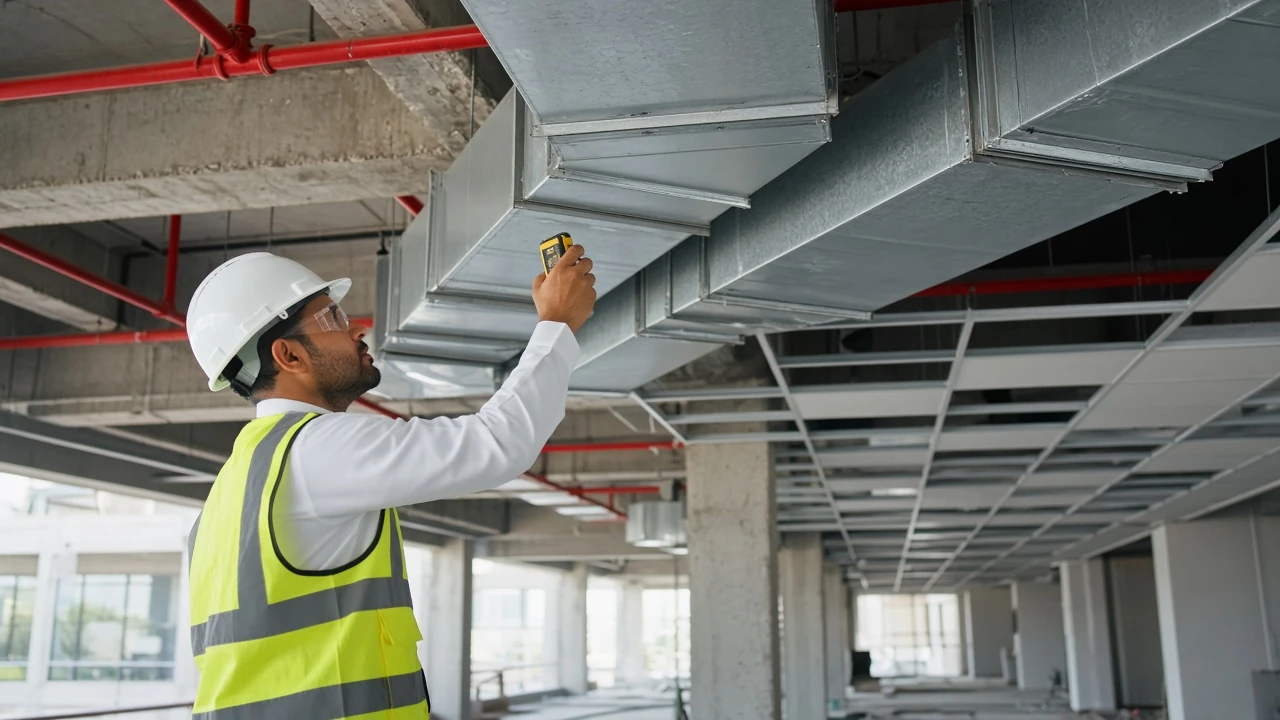
A suppression system must work quickly and reliably when needed, often after years without activation. Selection should therefore consider not only initial cost but also how the system will be tested, inspected and maintained over its life. Accessible components, availability of spare parts and service providers, and clear maintenance requirements all support long-term reliability.
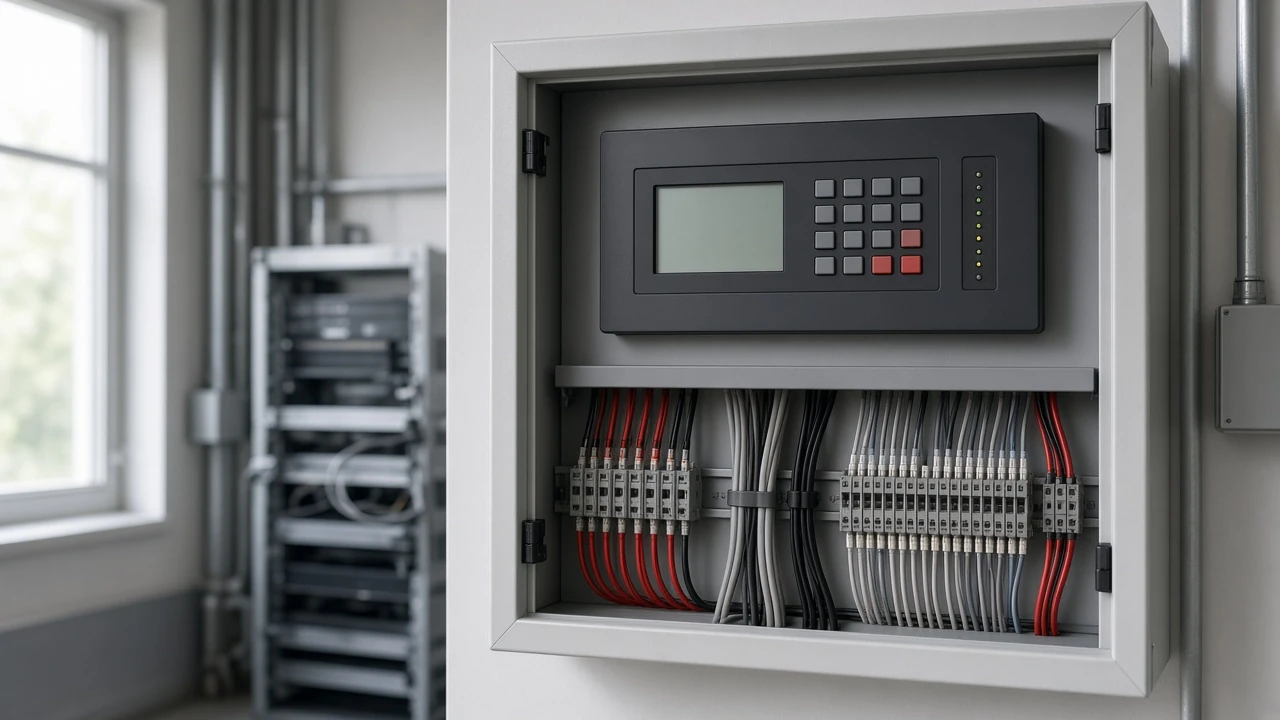
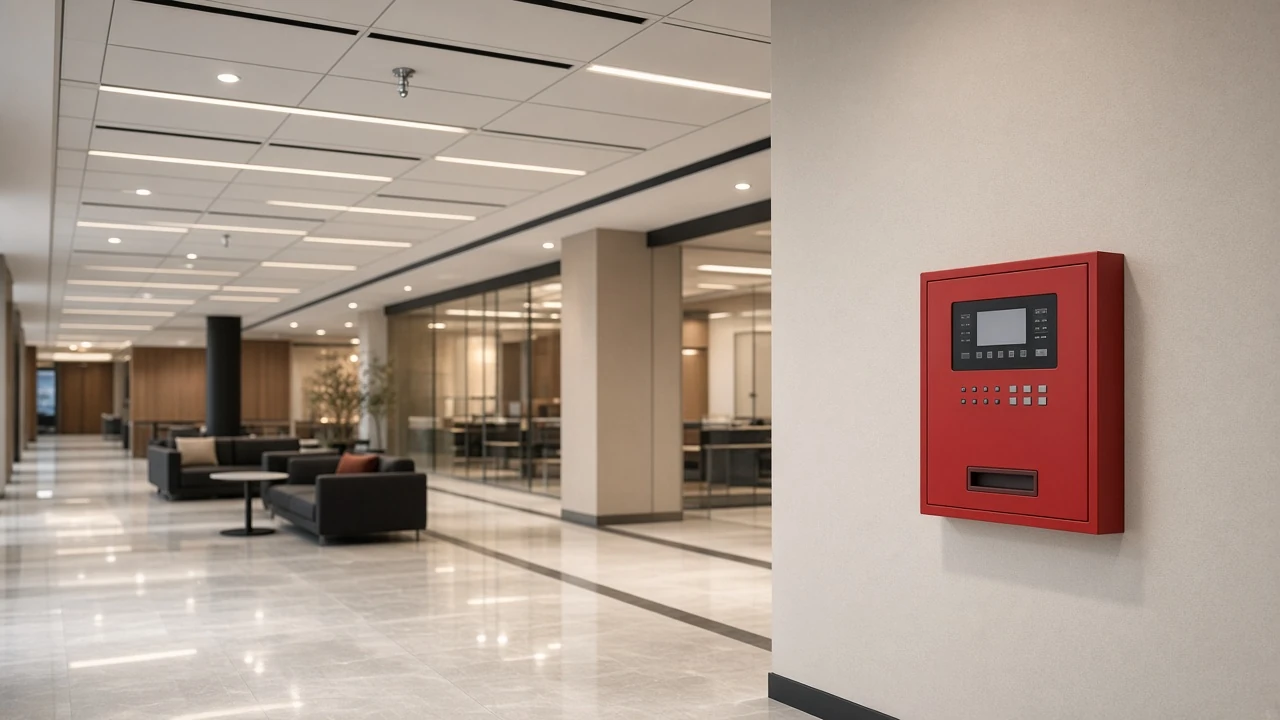
Integration with fire alarm and building management systems is another important factor, ensuring that activation is detected, reported and coordinated with other life safety functions.
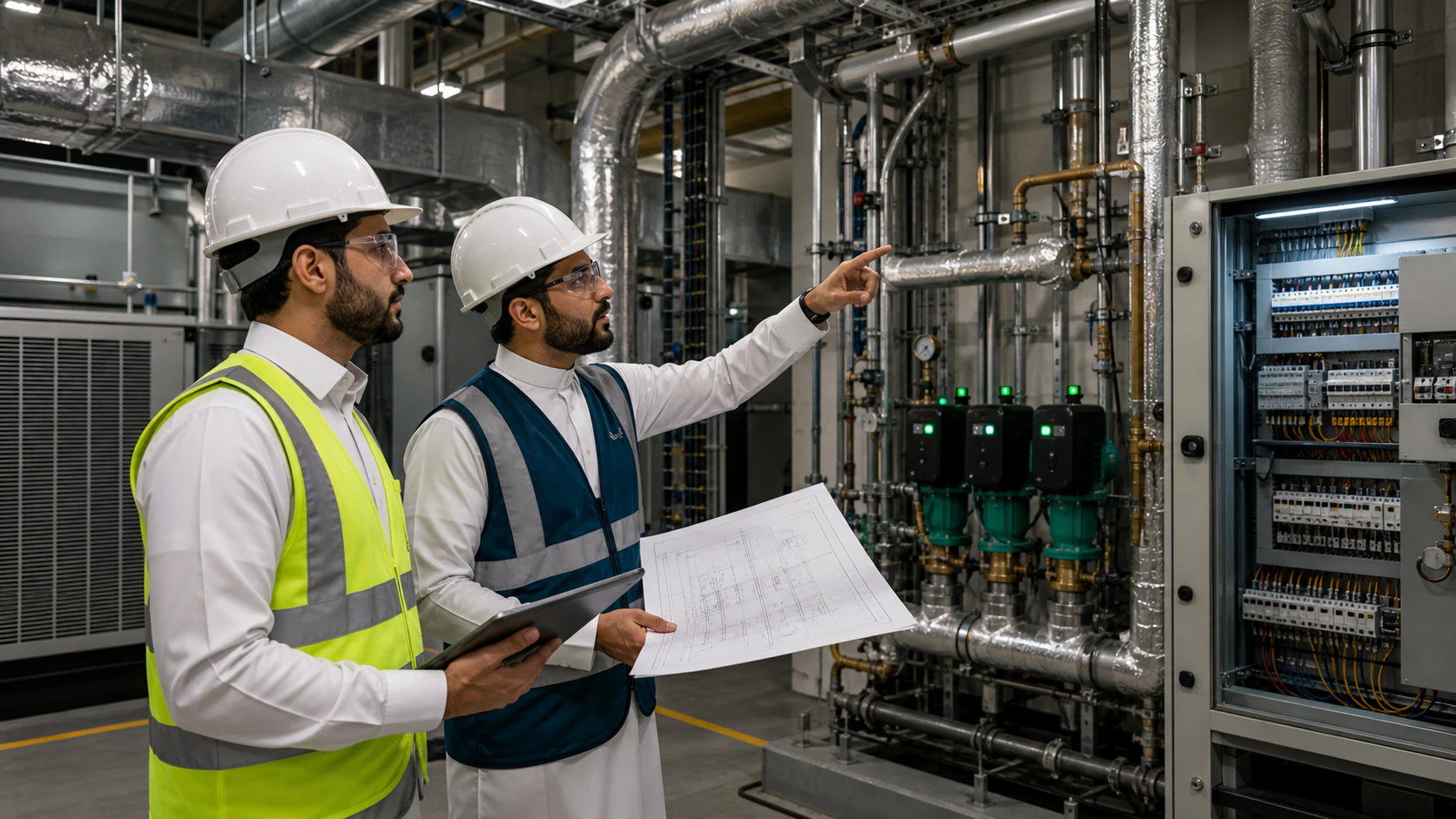
VARIO (Al-Mukhtalef) applies these criteria in its MEP design for commercial buildings, selecting and coordinating fire suppression systems that respond quickly, remain maintainable and comply with applicable safety requirements.