HVAC Efficiency Evaluated in an Existing Office Project
In many existing office buildings, air conditioning is the largest single consumer of energy. Over the years, systems drift from their original performance: equipment ages, controls are adjusted informally, and the way spaces are used changes. An HVAC efficiency evaluation examines how the system actually performs today and identifies practical steps to reduce energy use while improving comfort for occupants.
Understanding Current Performance
The evaluation begins with information about the building and its systems, followed by site inspection and, where possible, measurement.
- Review of available drawings, equipment data and maintenance records.
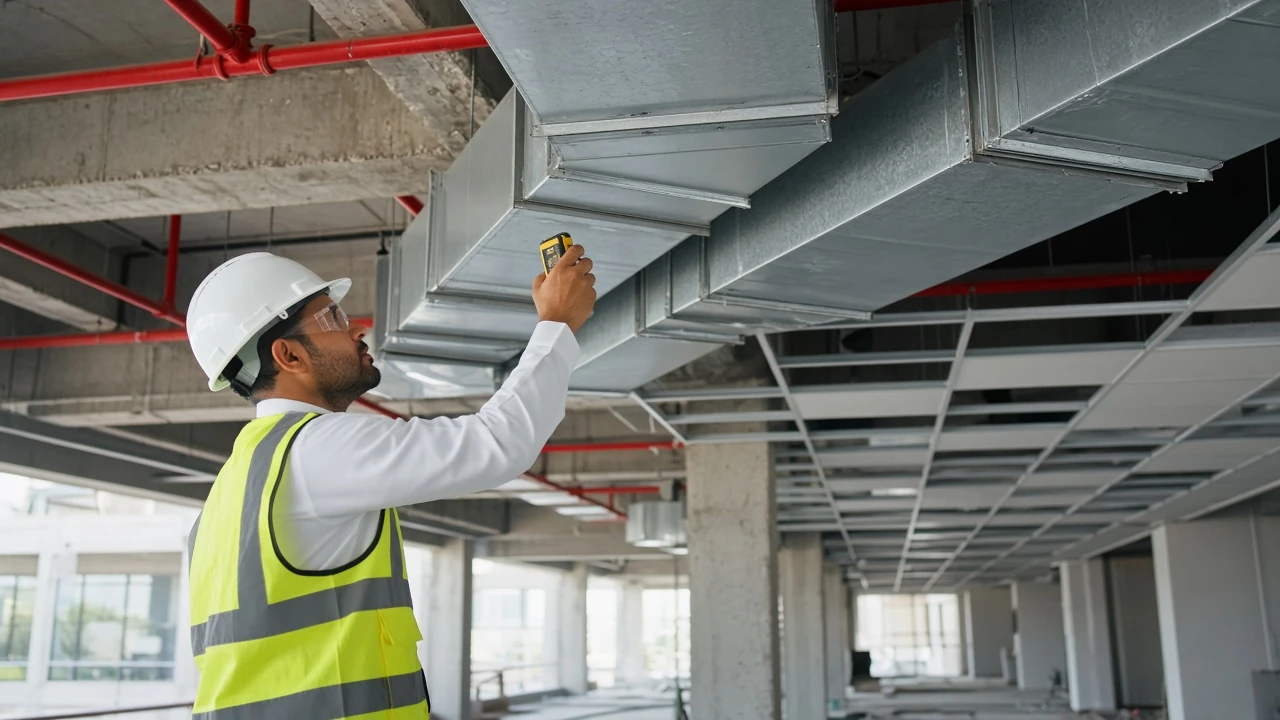
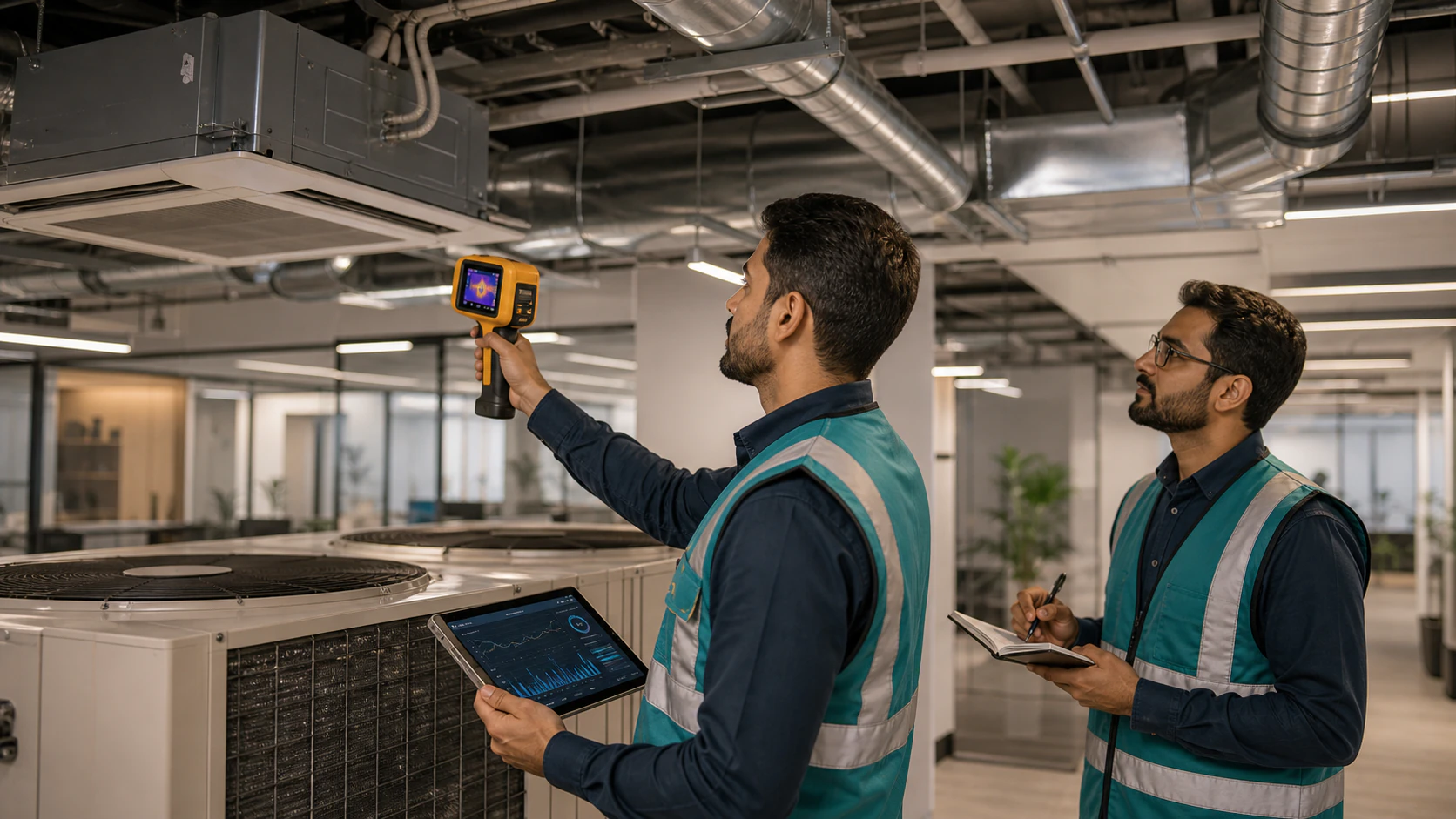
- Inspection of chillers, package units, air handling units, fans, pumps and distribution systems.
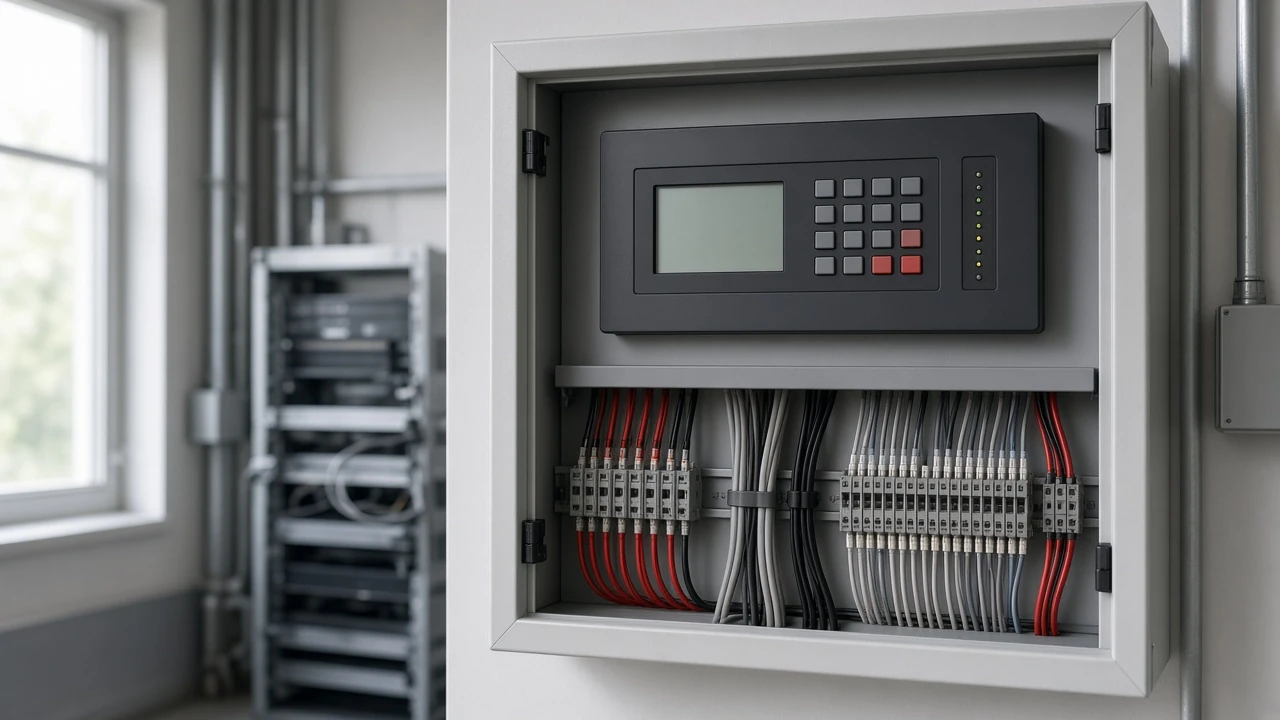
- Checks on control settings, operating schedules and temperature set points.
- Feedback from occupants and facility staff on comfort issues and recurring complaints.
- Review of energy consumption data where available.
Identifying Energy-Saving Opportunities
Many savings come from relatively simple measures. Adjusting operating schedules to match office hours, correcting set points, cleaning coils and filters, repairing leaking ducts and restoring controls that have been bypassed can all reduce consumption with little capital cost.
Larger opportunities may include replacing inefficient or end-of-life equipment, adding variable speed drives to fans and pumps, upgrading controls to allow zoning and occupancy-based operation, or improving heat recovery from exhaust air. The evaluation compares these options in terms of expected benefit, cost and practicality.
Improving Thermal Comfort
Energy efficiency and comfort are closely linked. Spaces that are too cold or too warm often indicate poor balancing, incorrect sensor locations or equipment that no longer matches the load. Addressing these issues can improve comfort and reduce waste at the same time. Air distribution, humidity and fresh air rates are also reviewed, since they affect both wellbeing and energy use.
The findings are presented in a prioritized plan, allowing the owner to implement quick wins immediately and plan larger investments over time, often while the building remains occupied.
Training facility staff on the revised settings, and explaining the reasons behind them, helps prevent systems from gradually drifting back to inefficient operation. Simple indicators to track the effect of each measure confirm that the expected savings are being achieved.
VARIO (Al-Mukhtalef) carries out HVAC efficiency evaluations for existing buildings as part of its MEP design services, identifying energy-saving opportunities and comfort improvements that help office projects operate more efficiently.