Facade Lighting Design Reviewed to Highlight Night Identity
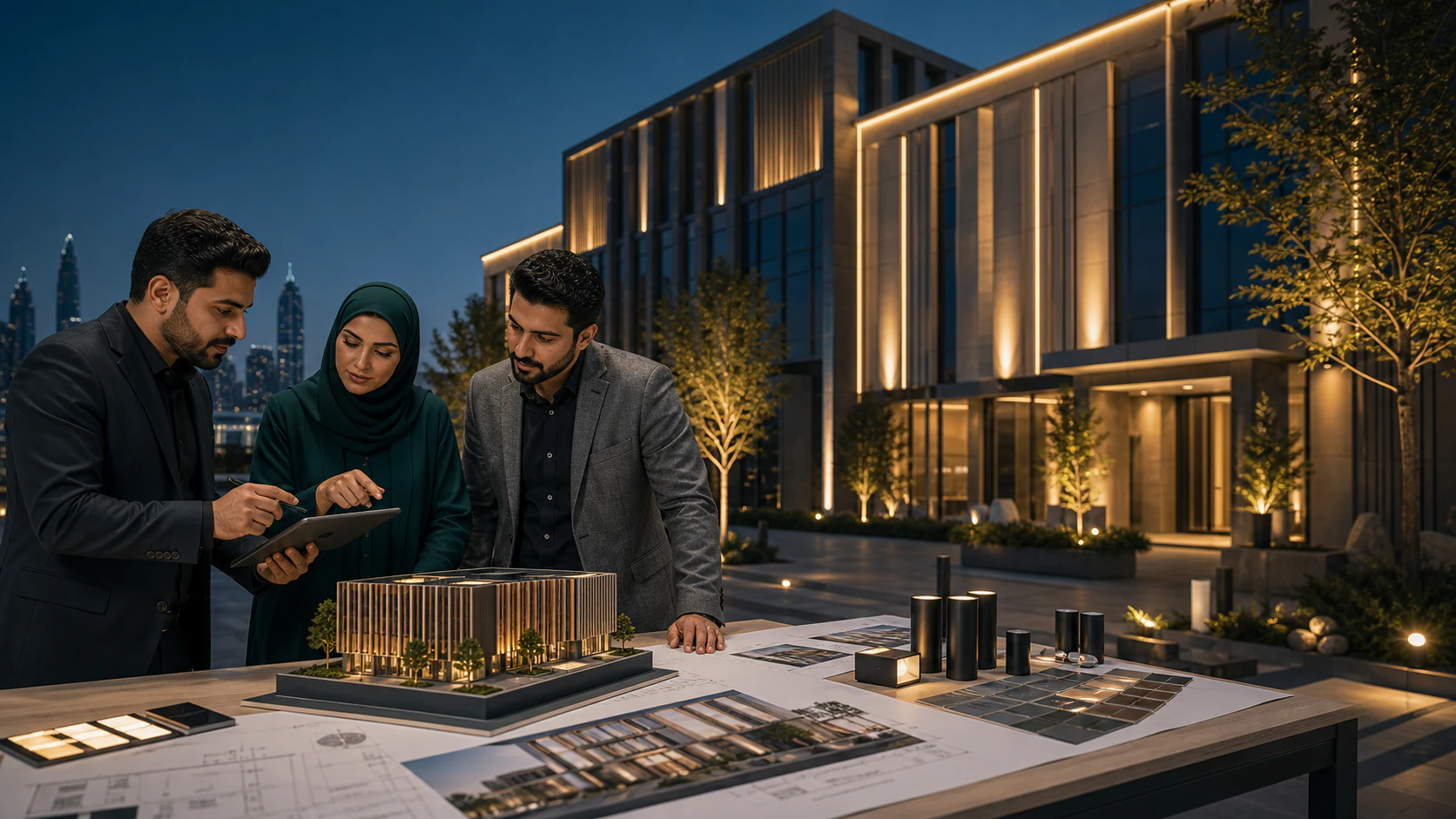
After dark, a building's facade takes on a different character. Lighting can reveal architectural details, express identity and make a building a recognizable landmark in its street. Poorly designed facade lighting, however, can waste energy, cause glare for neighbors and drivers, and become a maintenance burden. A design review helps strike the right balance.
Expressing Night Identity
Effective facade lighting starts with the architecture. Rather than illuminating every surface evenly, good designs emphasize the features that define the building.
- Highlighting key elements such as entrances, columns, screens, cornices or textured surfaces.
- Using light and shadow to give depth to the facade.
- Selecting color temperatures that complement materials and the surrounding context.
- Maintaining consistency with any branding or architectural identity of the development.
Energy Efficiency and Control
Facade lighting often operates for many hours every night, so efficiency matters. Modern LED fittings offer high efficiency and long service life, and precise optics direct light where it is needed rather than spilling into the sky or neighboring properties. Controls such as timers, astronomical clocks and scenes allow lighting to be reduced late at night or adjusted for special occasions, cutting energy use without losing impact.
User Safety and Maintenance
Facade lighting also contributes to safety around the building. Well-lit entrances, walkways and frontages improve visibility and security for occupants and visitors. At the same time, fittings must be positioned and shielded to avoid glare for pedestrians, drivers and residents of nearby buildings.
Maintenance should be planned from the start. Fittings located where they can be reached safely, durable products suited to heat and dust, and standardized components that are easy to replace help keep the lighting performing as intended. Electrical design must provide suitable protection, waterproof connections and safe cable routes.
Coordination with the architectural and structural teams is essential so that fixing points, cable paths and concealed housings are integrated into the facade rather than added afterward.
A review that brings these factors together leads to facade lighting that enhances the building's identity while remaining efficient, safe and practical to maintain.
VARIO (Al-Mukhtalef) reviews facade lighting as part of its electrical and MEP design services, balancing night identity, energy efficiency, user safety and maintainability.