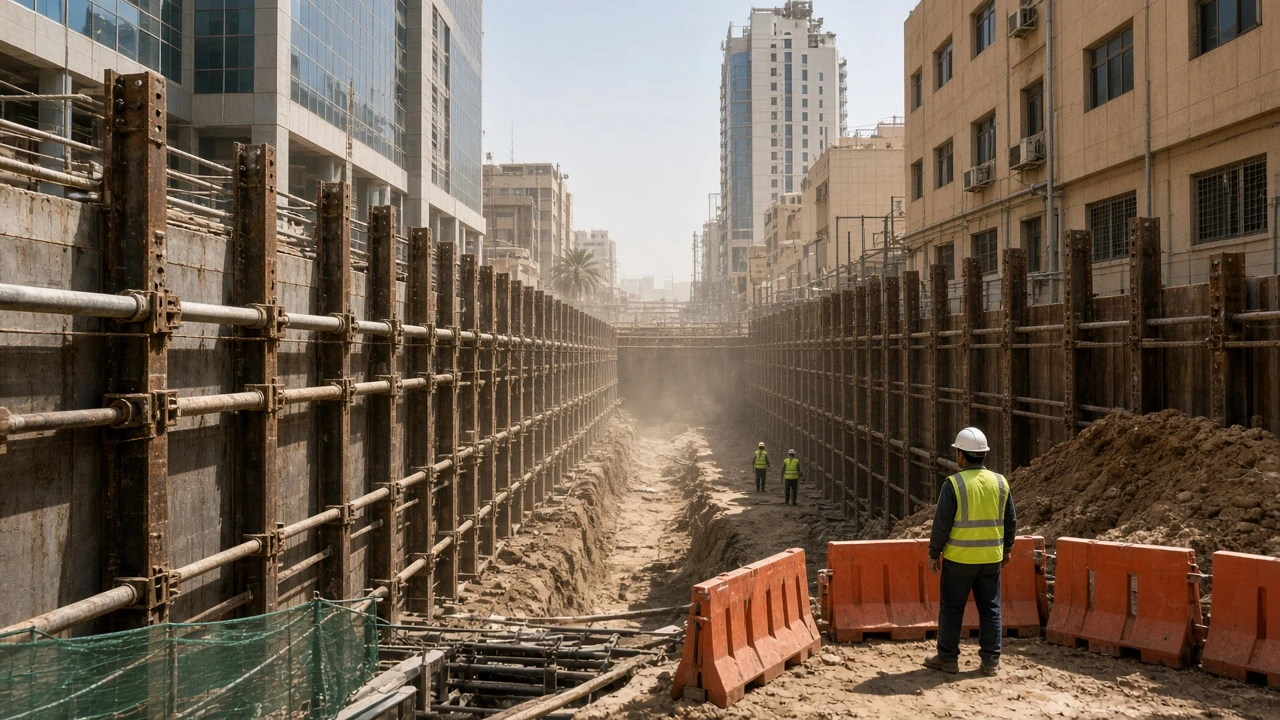
Digital Reporting Improves Engineering Supervision on Work Sites
Engineering supervision generates a large amount of information: inspections, test results, observations, instructions and progress updates. For years, much of this was recorded on paper forms and compiled into weekly or monthly reports. Digital reporting changes this by capturing information on site as it happens and making it available to the project team almost immediately.
What Daily Digital Reports Capture
A digital supervision report brings together the key elements of site activity in a consistent, searchable format.
- Work progress: activities carried out, areas completed and comparison with the planned program.
- Material tests: results of tests on concrete, steel, soil and other materials, linked to the elements they relate to.
- Technical observations: non-conformities, comments and instructions issued to the contractor, with photos and locations.
- Quality indicators: inspection pass rates, open and closed observations, and recurring issues.
- Site conditions: manpower, equipment, weather and safety notes.
Benefits for the Project Team
Digital reporting improves both speed and accuracy. Observations recorded with photographs and precise locations are clearer than handwritten notes, and they can be shared with the contractor the same day. Owners and project managers gain visibility of site conditions without waiting for periodic reports, and the supervision team can track whether observations are being closed on time.
Over the life of the project, these records build a valuable history. When questions arise about when an element was inspected, which test results applied or how a defect was resolved, the information can be retrieved quickly.
Making Digital Supervision Work
Technology alone does not guarantee better supervision. Reports must be based on consistent templates, completed by trained engineers and reviewed regularly. Clear categories for observations, agreed response times and defined responsibilities help turn data into action. Integration with drawings and schedules adds further value by linking observations directly to project documents.
Quality indicators drawn from daily reports can also reveal trends, such as repeated issues with a particular activity or subcontractor, allowing corrective measures before problems spread.
VARIO (Al-Mukhtalef) uses digital reporting in its engineering supervision services to document progress, material tests, technical observations and quality indicators daily, giving owners clearer insight and stronger control over quality on site.