Controlling On-Site Weld Quality for Steel Structures
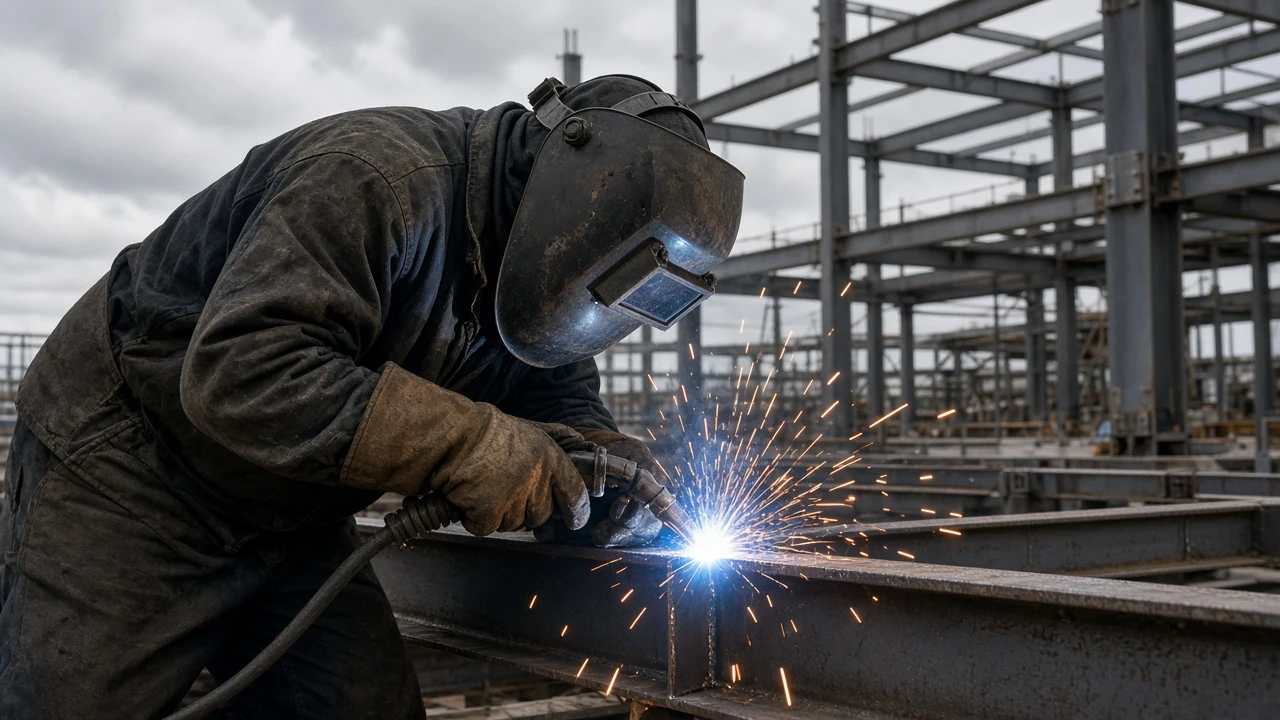
In steel structures, connections are where loads pass from one member to the next. Many of these connections depend on welds made on site, often at height, in changing weather and under schedule pressure. Controlling weld quality during erection is therefore one of the most important tasks of engineering supervision on a steel project.
Starting with Qualified Welders and Approved Procedures
Weld quality begins before the first arc is struck. Supervision confirms that welders are qualified for the processes, positions and materials they will work with, and that approved welding procedures are available on site.
- Review of welder qualification records against the type of work.
- Confirmation that welding procedures match the approved drawings and specifications.
- Checks on consumables, such as electrodes and wires, including storage conditions.
- Inspection of joint preparation, fit-up and cleanliness before welding starts.
Visual Inspection and Non-Destructive Testing
Visual inspection is the first and most frequent line of control. A trained inspector can identify many common defects, including incorrect weld size, undercut, porosity at the surface, cracks and incomplete fusion at visible edges. Visual inspection is carried out during and after welding, so problems are corrected while access is still available.
For critical connections, or where specifications require it, non-destructive testing (NDT) provides a deeper check without damaging the weld. Common methods include magnetic particle and dye penetrant testing for surface defects, and ultrasonic or radiographic testing for internal defects. The scope and frequency of testing are defined in the project specifications and agreed with the supervision team.
Documenting Defects and Acceptance
Every inspection should leave a record. Defects are documented with their location, type and required repair, and repaired welds are re-inspected before acceptance. This documentation creates a clear trail showing that each connection has been checked and approved, which is valuable for the owner, the contractor and any later assessment.
Weld acceptance should also be coordinated with the erection sequence, so that members are not loaded or concealed before their connections are approved.
VARIO (Al-Mukhtalef) provides engineering supervision for steel structures, including review of welder qualifications, coordination of visual inspection and NDT, and documentation of defects and acceptance, helping keep connections safe throughout erection.